
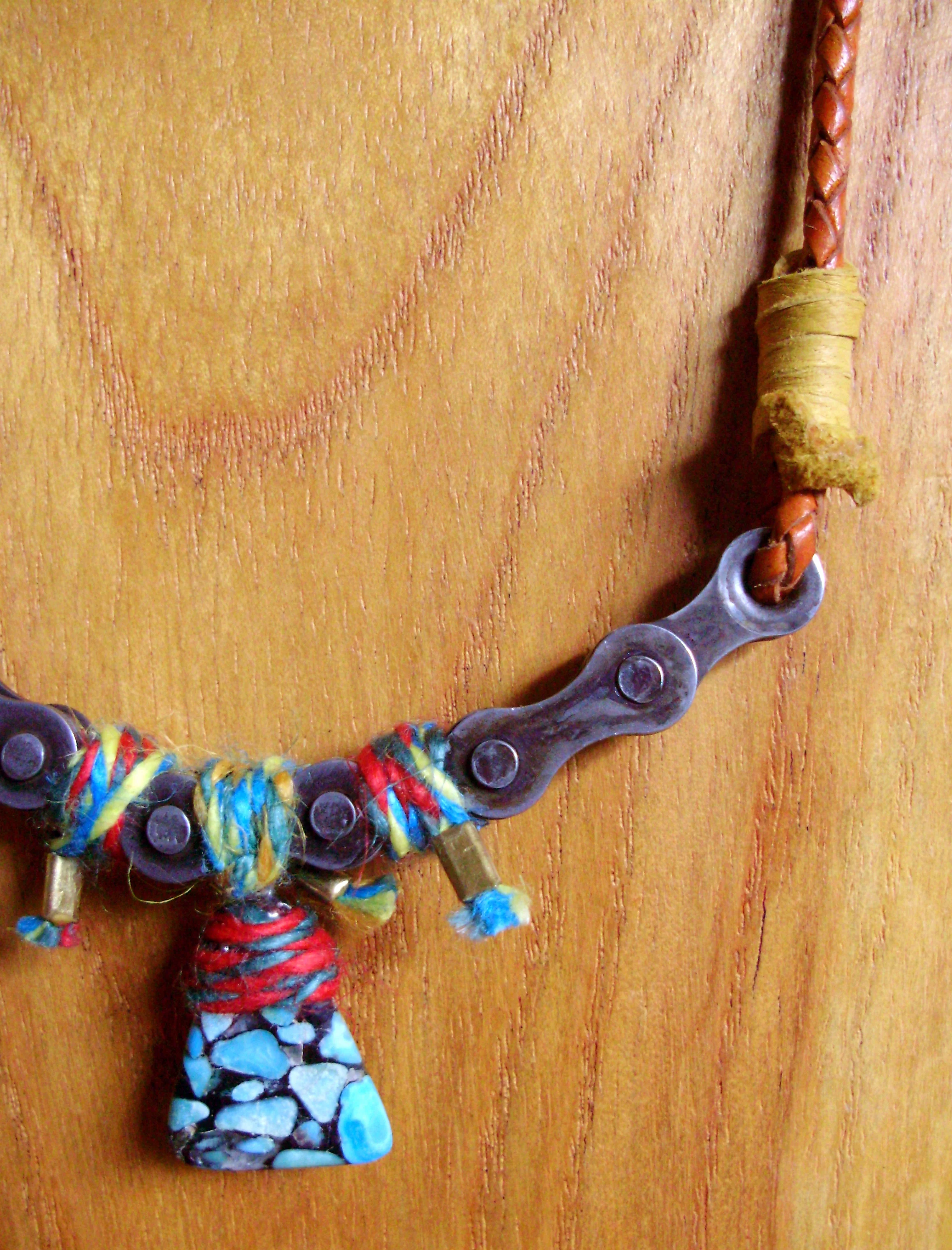
Bike Chain. ReIncarnated.
How should I celebrate Sunset and Lotus, the newest bike chain jewelry collection from Urban Temple? By talking about bicycles of course!
At the beginning of next month I am going to be sharing my newest collection of bike chain jewelry, Sunset and Lotus. I freely admit that recycling bike parts or even more specifically bike chain into the stuff fashion forward dreams are made of wasn't my idea.
When I lived in Philadelphia I worked with some folks who knew some folks that worked at this great and amazing place called The Bike Church. Run by this super organization called Neighborhood Bike Works. I participated in a fundraiser where I made art from busted bike parts.
Here's one of my pieces I did for the show:
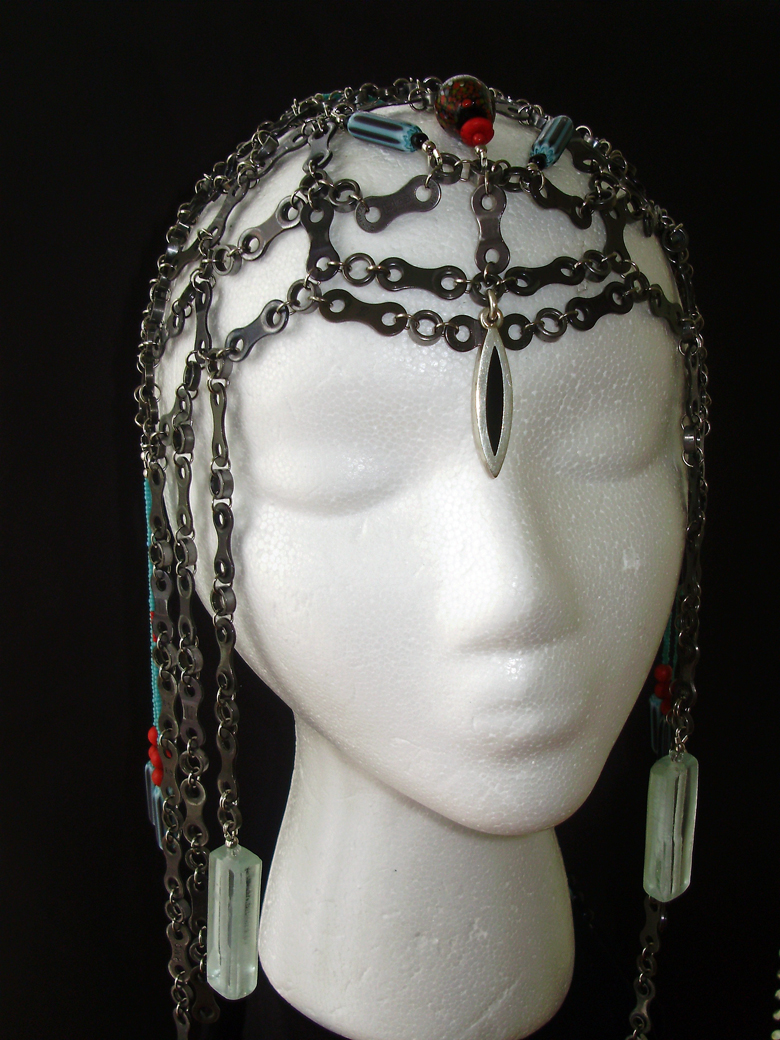
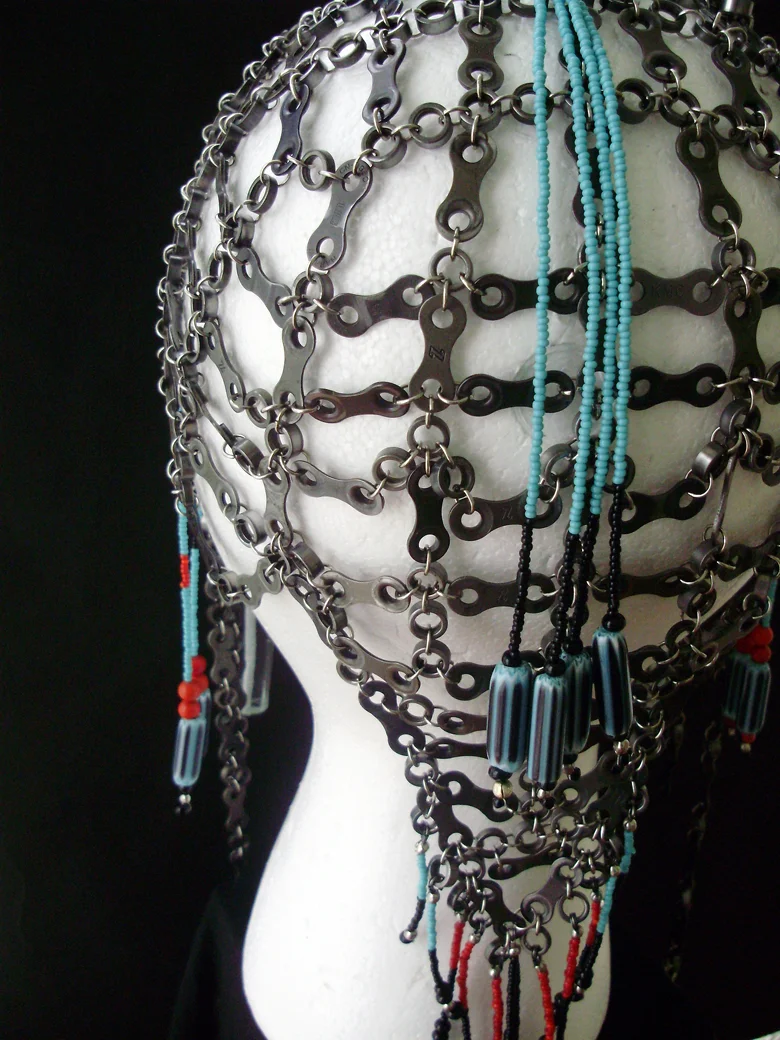
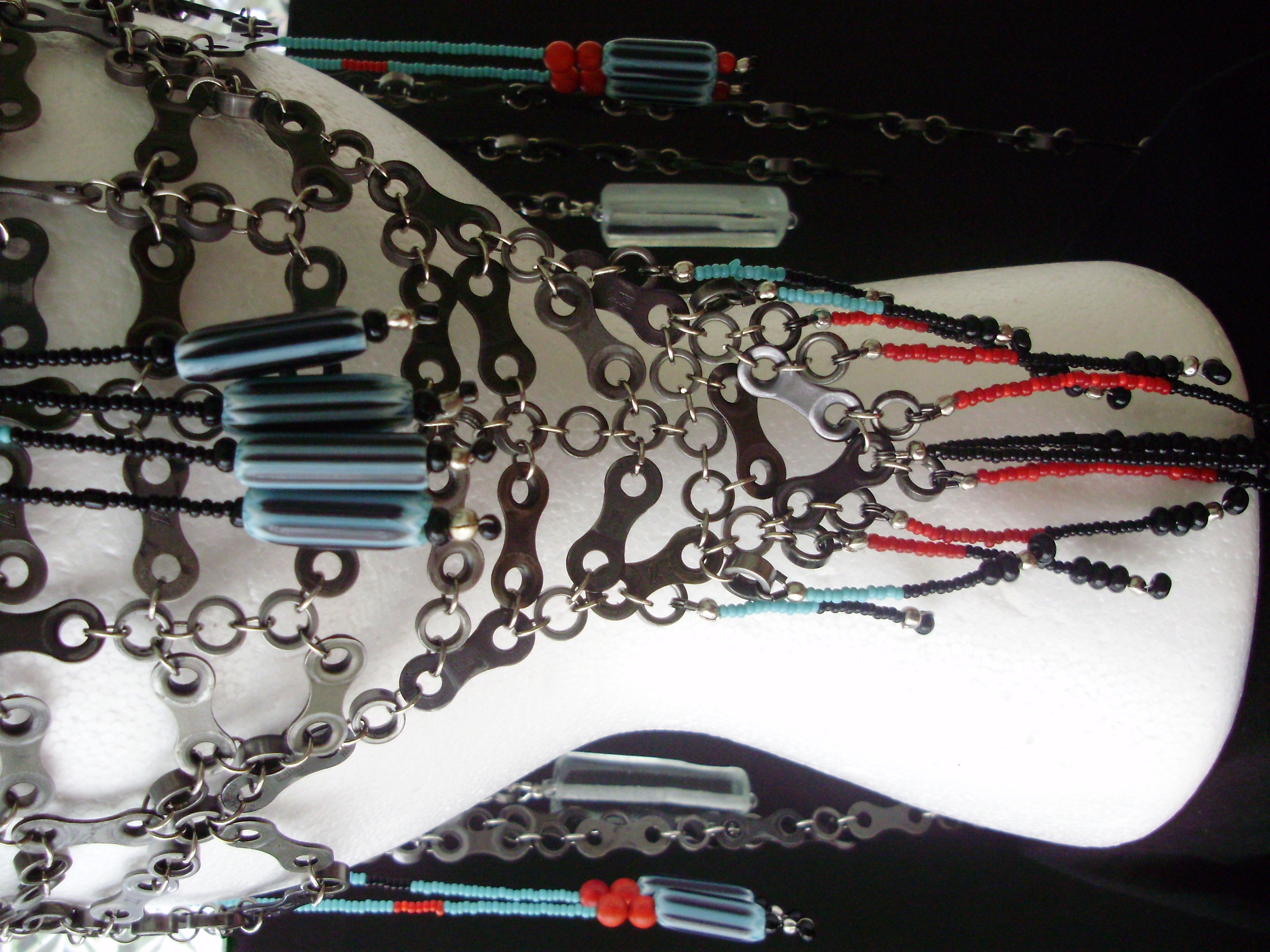
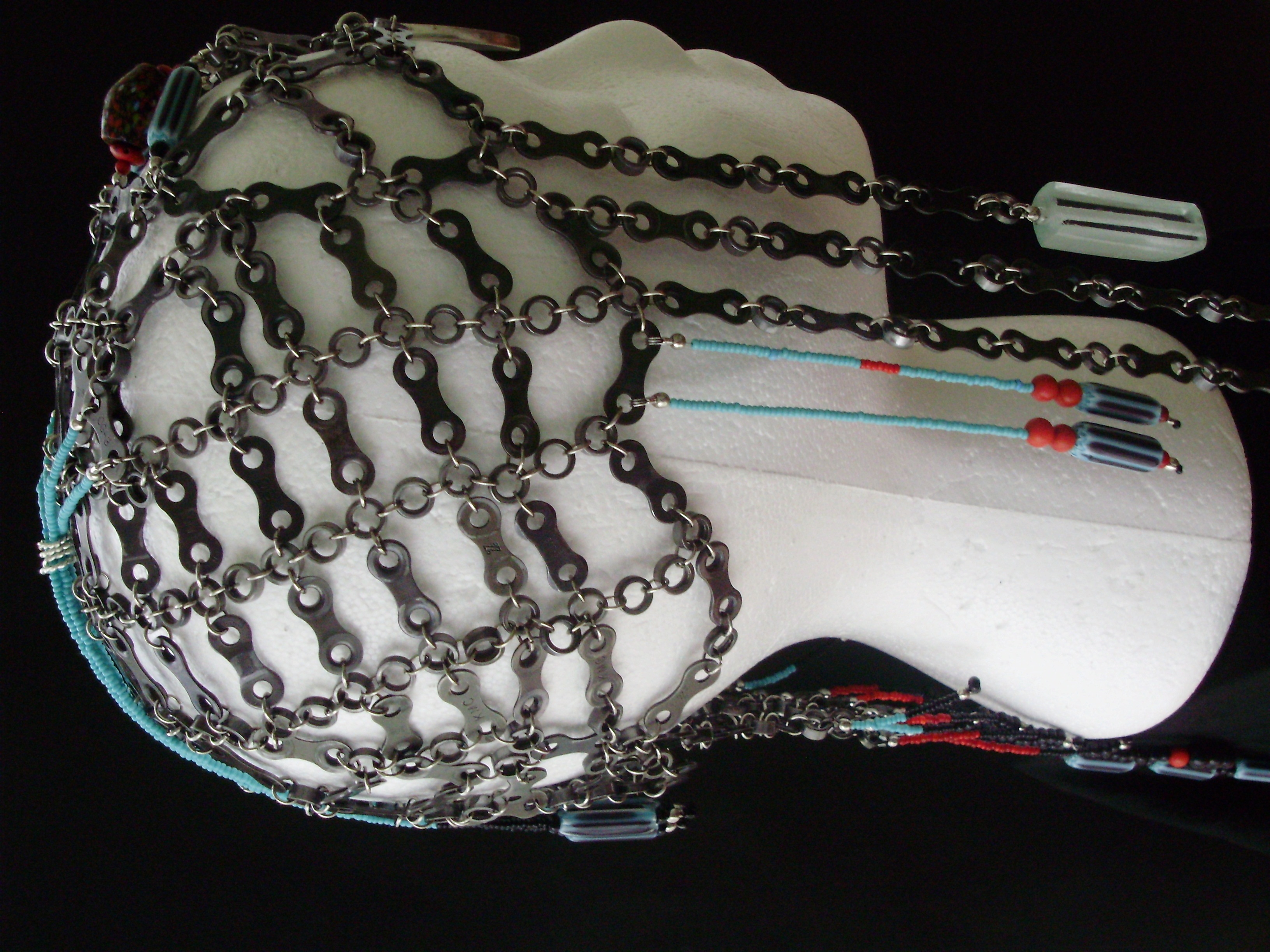
I also helped this ( I believe now defunct) organization Spokespeople assemble their bike chain jewelry. Soooo much fun and I was hooked.
It was a while after being introduced to the idea of recycling bike parts that I decided to do my own thing. I had a different vision for the jewelry though. I wanted to combine the feminine and masculine characteristics of the chain. I didn't want it to just be seen as a 'guy thing' or a 'girl thing'. I Feel like the new collection Sunset and Lotus does this pretty well. Hopefully, I have something for the guys and the chicks.
To celebrate the new collection I'll be posting fun facts about bicycles and bike related topics. Silly facts, serious facts, facts concerning me and my fear of running over people on a bike...
Also, newsletter subscribers will get 10% off items in the new collection, so be sure to sign up before November 16th to get your coupon. This is a great opportunity to get started on your holiday shopping! You will also get a sneak peek at a few of the pieces. Those who attend ArtWalk November 6th (the first Wednesday of the month) will get a full preview of the new line.
If you have any interesting facts about bicycles, bike chain, and the like feel free to post them here in the comments section. I'd love to hear them :)
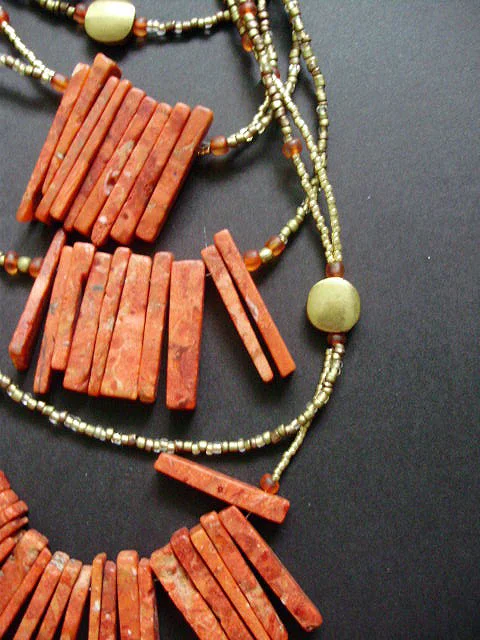
What’s So Important About Buying Quality Jewelry Anyway?
If you make an expensive jewelry purchase, make it a good one! Your grandkid might be wearing that one day. What do your jewelry purchases mean to future generations?
When I was still in college,
as a gift, my Grandmother gave me one of my most prized possessions: this
beautiful, quirky, silver bracelet made from antique dimes. It was a bracelet
that she used to wear when she was probably about my age. There was a time when
you’d always find that bracelet on my wrist. I still treasure it. I admit I
haven’t asked about all of the stories that I am sure accompany the bracelet,
but I am sure there are a few.
Almost all of us have a story that accompanies a personal article of adornment. You inherited your Grandpa’s pocket watch he used when he was a conductor. Your Aunt Ida gave your cousin the hatpin that she wore when she met Uncle Phil. That or you know someone else who does have a story: Amy wears the tiny ring on a chain that her Grandmother wore as a young girl.
All of these stories are important. As singular units, they tell us about our families, histories, and individual lives. Cumulatively, they speak more about our culture as a whole, how we live and interact with one another. Looking at jewelry can tell you about a time period in which a person lived, social strata, and sometimes, even about the dreams that they held most dear.
The Antiques Roadshow Effect.
Honestly, why do you think people watch The Antiques Roadshow? It’s all about the stories people!
Recently, I got tickets to the show when it came to my town. I gave them to my brother and aunt as gifts. They told me of standing in crazy long lines; some people stand in line for hours. All just to hear the story. Who doesn’t want to hear the pedigree of some busted old thing that was in the back of your dad’s shed? Especially if that thing turns out to be worth a gazillion dollars! But that’s another story.
We want to hear about what makes these objects special. This is also the lure to antique stores and thrift stores: finding objects with great stories to tell.
Telling Stories.
Buying quality jewelry is important because you want it to last. Plain and simple. You want it to be passed on to another generation that will appreciate it so you can keep the story going. Also what matters? Who you are buying your pieces from. Tiffany’s is great if you can afford it, but there are craftspeople all around the world, probably even in your own city, that are doing amazing work. There are many sites like Artfire and Etsy to help you find and sort through the masses to help you find who and what you are looking for.
Look at Me! Look at Me!
I’m on Etsy selling my work for Urban Temple Jewelry. I make my jewelry pieces to be worn over and over again. I want to make sure my work can be passed down to another generation. It is important to me. If a buyer chooses Urban Temple Jewelry to become apart of their personal story I am honored. As I mentioned before, jewelry can tell you a lot about a person, but most of all about their personal sense of style. If someone chooses Urban Temple as a way of expressing themselves that is a pretty amazing thing. It also says something specific about the person: they appreciate recycled and vintage components, they like to stand out in a crowd and they also like colorful statement pieces with various world influences. Didn’t think jewelry said all of that about you did you?
Customers also come to me to find a way to reinvent heritage jewelry pieces. Essentially I’ll take older jewelry pieces that aren’t being worn by their owners and reincarnate them, so to speak, into ones that they will wear. Create new from old and starting a new story from an old one. What is the use in having something amazing with great history that you aren’t even wearing?
Here are a couple examples:
How Can You Determine If Your Jewelry is Quality Jewelry?
Here are my ways to determine if a piece of jewelry is a quality piece before making an investment. I fully admit that sometimes aesthetics get the better of me: if it is pretty, super stylish, and shiny I don’t care; it is a risk I take sometimes. But these are three of my very untraditional ways of determining quality when buying jewelry that I want to last:
- Ask them how it is made. If the artisan has put in a lot of hard work that will keep your piece together they are more than willing to tell you about it. Ask about the quality of the materials used.
- Look at it. Is it falling apart before you even purchase it? Buying from an art market or festival look at the piece up close. Try it on. When purchasing online zoom in on the pictures they have posted.
- Is there a warranty or guarantee? If the artisan or craftsperson offers some sort of warranty or guarantee that is one way to determine if they stand by all they create. I personally offer a guarantee for all Urban Temple pieces. Partially because I want people to wear the jewelry with confidence and also because I am pretty sure that I’ve put enough glue and wrapped enough wire around things that they won’t fall apart. Just joking. But really, I make sure each piece of jewelry I make is made well with quality findings, beads, and wire. You should be on the lookout for others who do the same.
Keep in mind when you buy jewelry someone else that you love might wear it next. What does it say about you? Does it tell any part of your story? You also want any investment you make to be a quality one, that will be around for a while.
I'd love to hear your comments. Do you have a special piece of jewelry that was given to you?

No one likes a pretentious traveler…or artist.
The two most obnoxious people on the planet? annoying travelers and pompous artists. Don't be either. Here's how.
We travel to understand
others and to understand ourselves better. I believe the same is true of art:
by pursuing, studying and producing art we develop the potential to understand
ourselves a little better, if we allow it to happen.
Recently, I was reading the founder’s monthly comment in a travel magazine. Absolutely love the magazine. It’s beautiful as well as informative, but the founder said something that irked me a bit. Here’s the excerpt:
“This summer, I was sitting at a café on the Amalfi Coast, talking with a waiter about what I do for a living. “Did you start a travel magazine just so you could travel the world for business?” he asked. I laughed. That would hardly be a reason to start a travel company. Besides, I traveled for business long before [my magazine] began.”
I know to lots of people this would hardly be offensive. But honestly, why couldn’t ANY reason be a reason to start a company? A smidge condescending. I really had a vision of him patting the waiter on the top of his head. Why not learn something from the question? Love or passion, not money, as a reason to start a business? Hmmm… A novel idea. We should do an article on that. (This is me having the one-sided conversation in the founder’s head by the way). Maybe if he’d seen the waiter in a different light instead of focusing on his ‘more sensible’ reasons to start a business, maybe they would’ve had a different kind of conversation.
Art ≠ Superiority Complex.
This is also the problem with some of us art types: we sometimes see ourselves in a superior position to those who aren’t ‘us’. Our condescending and dismissive attitudes towards those who aren’t artists or even towards other artists can work to alienate us from our potential audience, fans, buyers, and even others within the artist community. It really doesn’t make you look mysterious or interesting when you act like a jerk.
If someone doesn’t understand your concepts, ideas or techniques use it as a teaching opportunity, not as a chance to be snarky. If another artist doesn’t do things the way you do things it doesn’t mean your way is the right way. Talk to people human to human. I don’t mean preach or talk at people either; I mean really have a conversation. Use art as a vehicle to connect to other people. Remove your ego from the equation.
When you are at a show, yours or anyone else’s, to avoid the dangerous pitfall of being a jackass (even an artistic jackass is a bad thing) you should ask questions of those you are speaking to before giving your personal opinions. Here are a couple of examples to get the conversation going:
- What type of art do you find yourself drawn to? Literal images or things more abstract.
- So what do you think about the work? (Simple I know. But it works.)
- Do you know anything about _________ (fill in your media, process or artist name here)? I can share a little bit if you are interested.
- What other interesting shows have you been to recently? This could also be a great opportunity to plug your work or the work of another great artist you know.
Keep your ego in check. Ask a question. Listen to what someone else has to say. You might learn something…or just have a great conversation.
I'm interested in your feedback. Do you enjoy speaking with others about your art or simply art in general?

The Reality of Being Fashionable.
Finding unique, well made clothing and accessories doesn't always mean you have to break the bank. Check out these simple tips to building your closet collection.
The Not So 'Real' Reality.
Fashion week is upon us/finishing up/finished, and recently I was looking at an article by a very popular 'fashion blog/site that shan't be named'. I won't name it because it doesn’t matter. Quite a few of the fashion blogs are the same: no everyday people wearing affordable clothing and accessories.
There’s nothing wrong with having a wish list of really expensive items that you want. But when you have to save up for these items like you would when buying a house it is just sad. Why not have a list of items that are within your reach right now?
Often, during New York Fashion week, there are plenty o’ slideshows of those fashionable fashionistas in attendance. When they show pics of the 'everyday person on the street' these people are wearing ridiculously priced pieces of clothing that are usually over the top avant garde (or just bootay ooglelay,--that’s ugly--for those of you not fluent in Tracie speak…),everyone seems to come from the planet Size 2, and all of the ‘everyday folks’…they all have names like Martinashala, Furlina and Apricot and are the interns from some chic chic fashion house. Also, how do these chicks afford a $200 tee shirt working as an intern? Your guess is as good as mine, but I am here to tell you that looking great doesn't mean you won't be able to buy groceries this month or that you have to have access to the wardrobe room at a fashion magazine.
How Does This Work?
So how can you be super adorable and super fashionable without breaking the bank? First things first: stop buying crap and wasting your money, most importantly expensive crap. This is the #1 rule that you must abide by. Can’t get around it. How do you determine if something is crap? Well you look at it of course.
- Are the inside seams of the clothing finished or raw? You want finished.
- Look at where two pieces of the garment are sewn together, gently pull both sides away from each other. Is the seam coming apart? It shouldn’t.
- Are there numerous (serious) online complaints from store customers where you are buying your items concerning quality?
- Have you bought several pieces from a particular store where the clothing or accessories only last a couple months?
- Is a necklace falling apart before you even leave the store? Are all links and rings closed?
- Look for quality fabrics and ones that will maintain their shape. My favorites are natural ones that usually don’t melt when you attempt to iron them. This means no pleather allowed.
- Check straps and soles of shoes and make sure everything is secure.
The second step is to invest money in quality items that can be used for more than one type of event or activity:
- Separates that can move from brunch to business to partaaaay! This isn’t always possible but do please try. You will get more mileage out of the items you buy if they are versatile.
- Find jewelry that is distinctive and well made that can be worn with lots of different outfits. You don’t have to go to a major fashion house and spend $1000 to get great jewelry. A great artist might be right down the street. Even better, a smaller artisan operation may be willing to work with you on the price. Check out sites like Artfire, Etsy, and Luulla. Urban Temple Jewelry (my little jewelry machine) produces museum style, culturally influenced pieces that can be worn everyday with just about anything. I would totally rock a layaway style payment plan if someone really wants a piece that I have made. Though I do work for money, I work for the love of art and I want all of my pieces to have a good home. I’m sure that a lot of artists (not all of them) would feel the same way. You never know until you ask.
One necklace three ways:
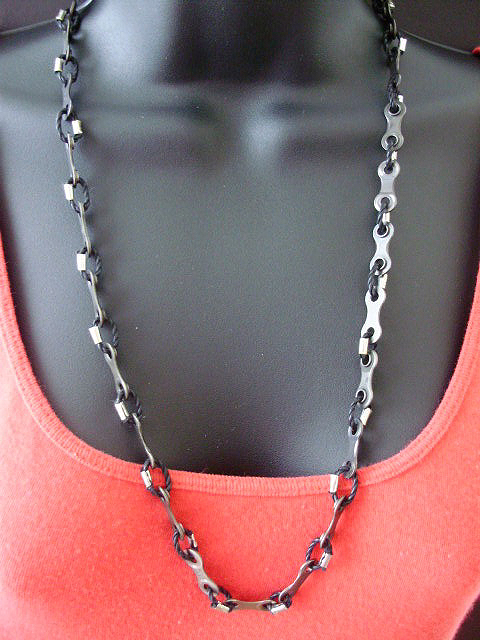
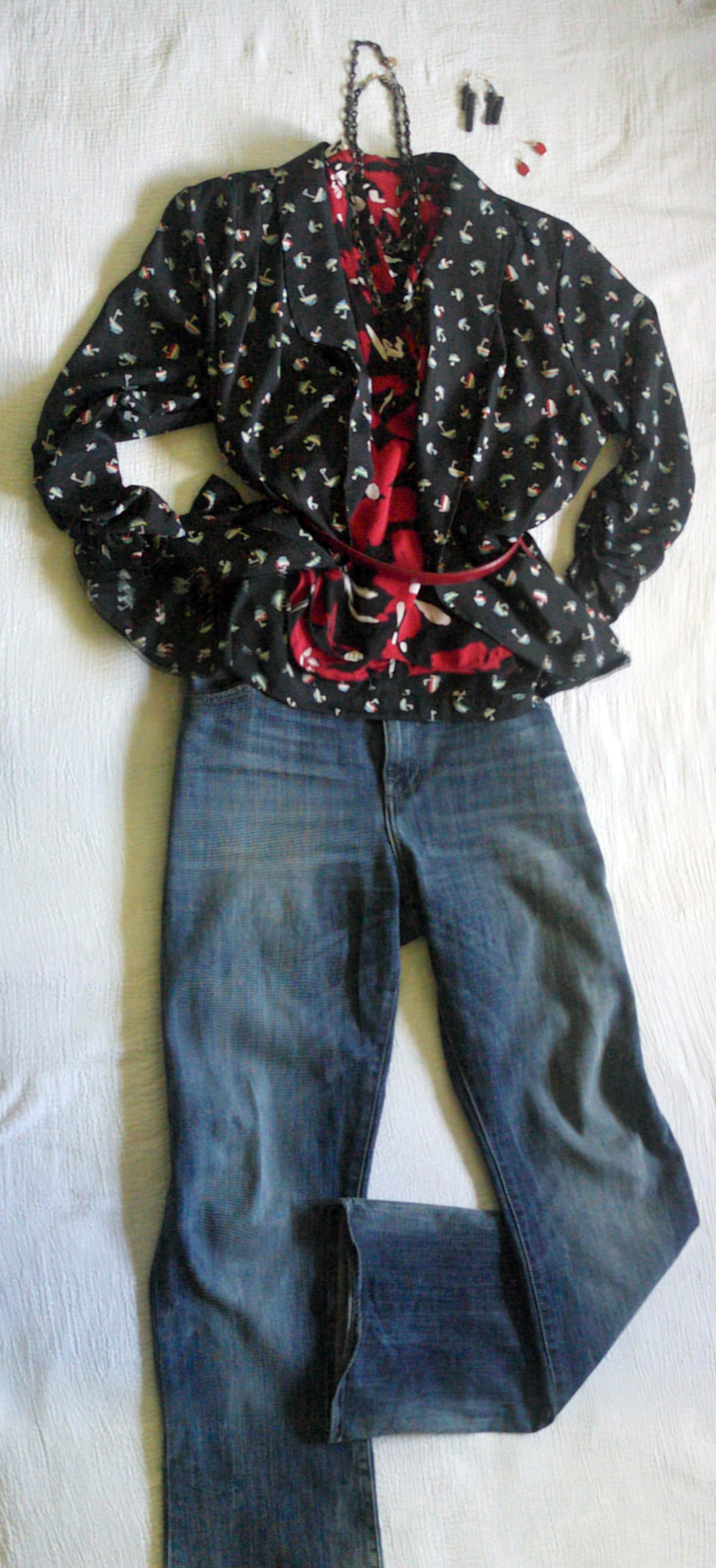
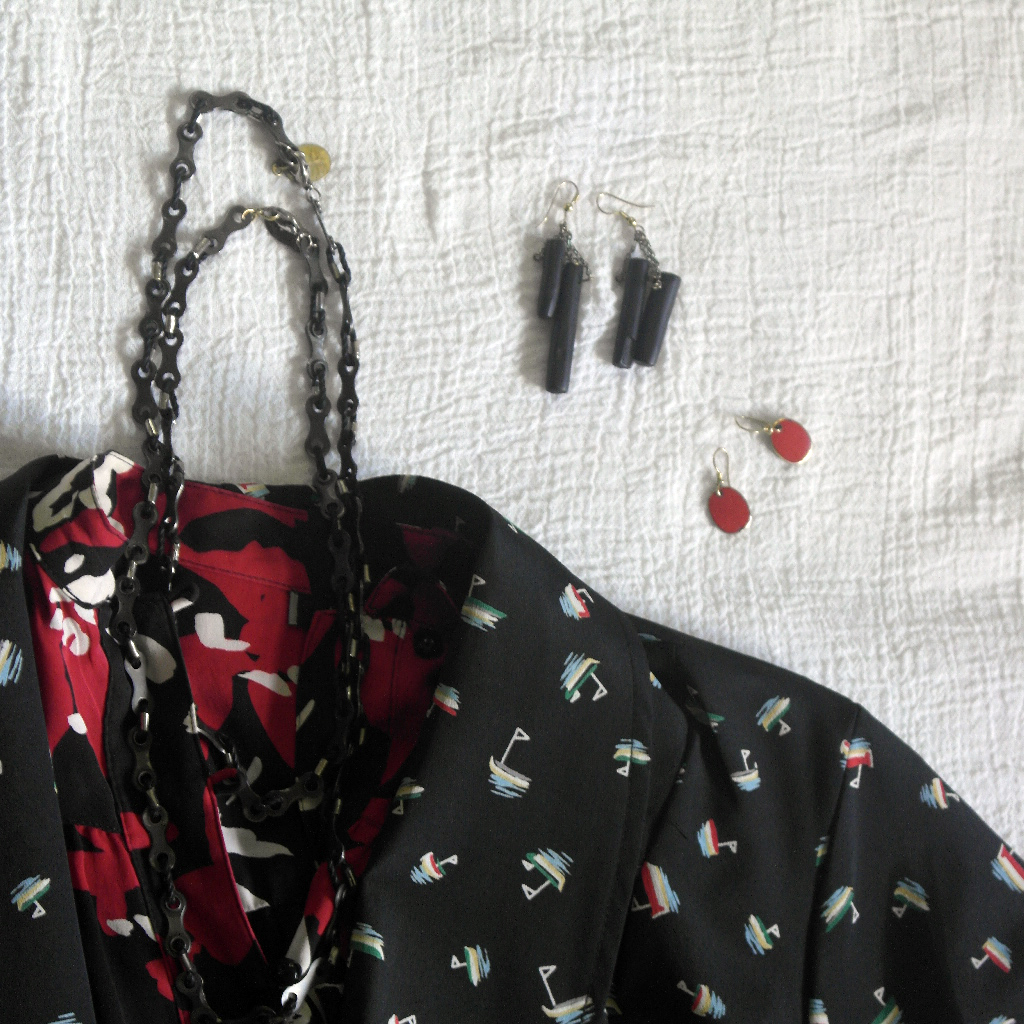
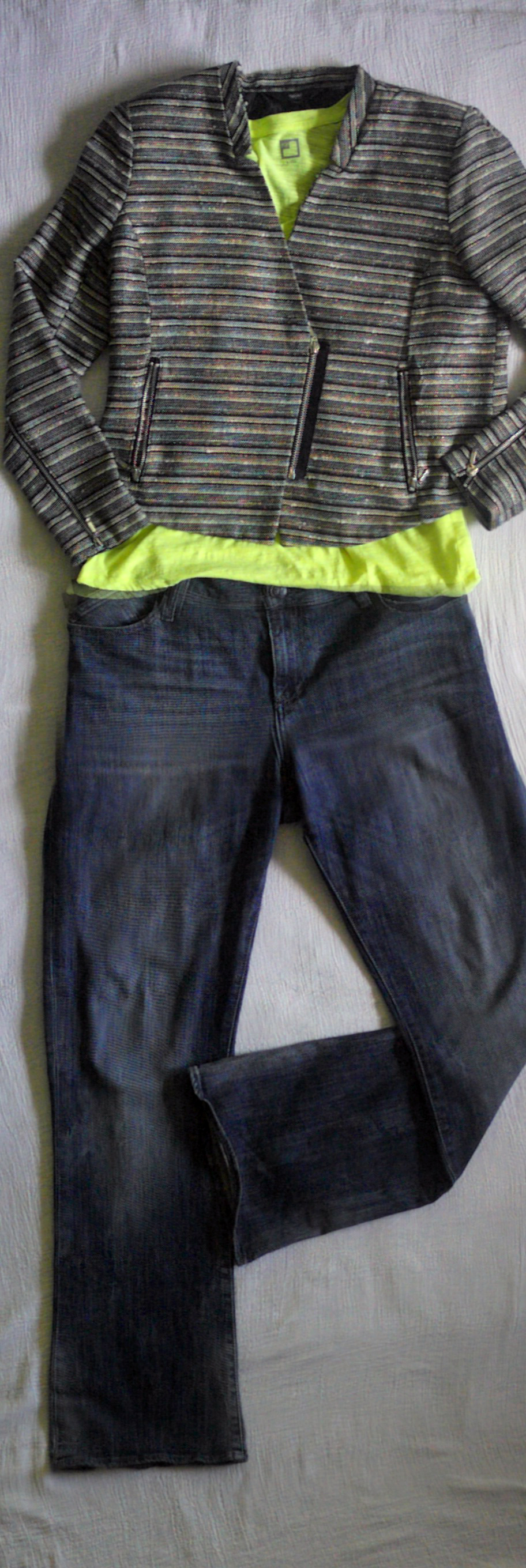
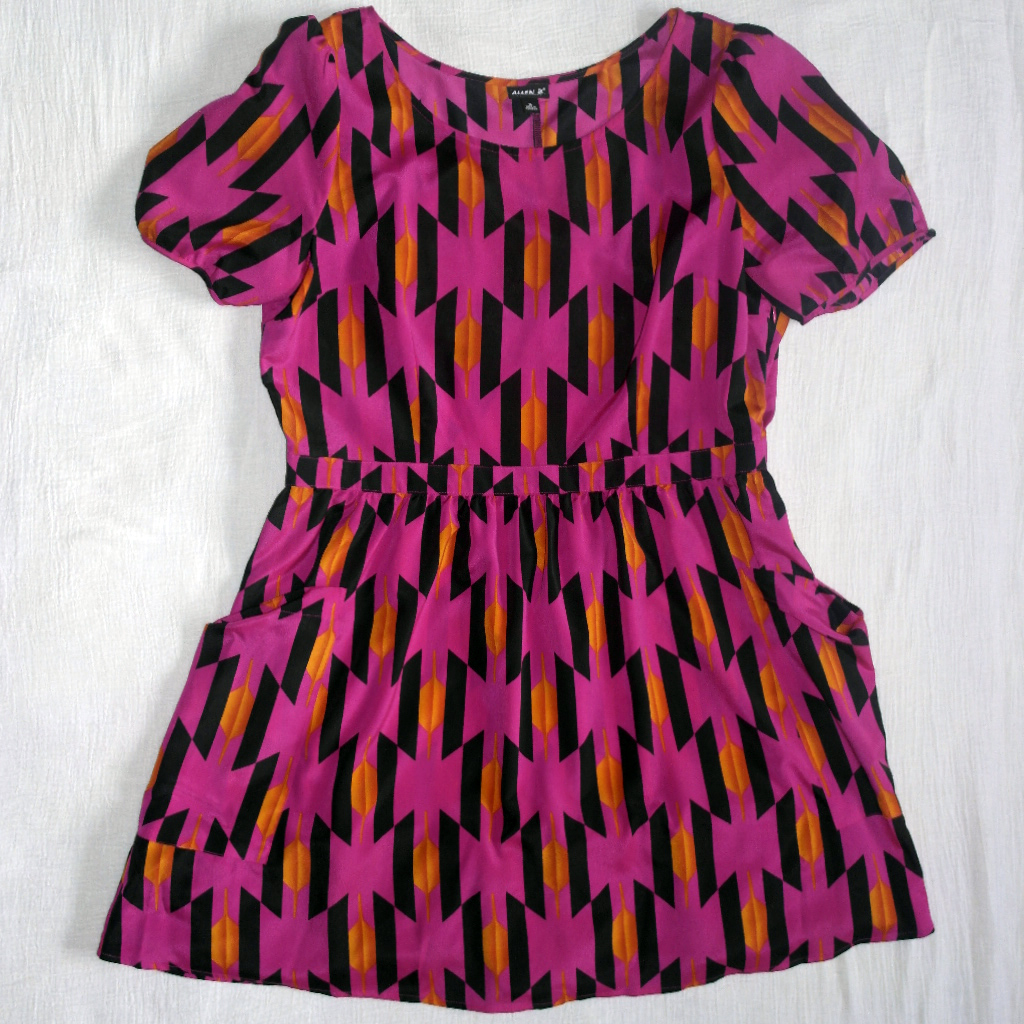
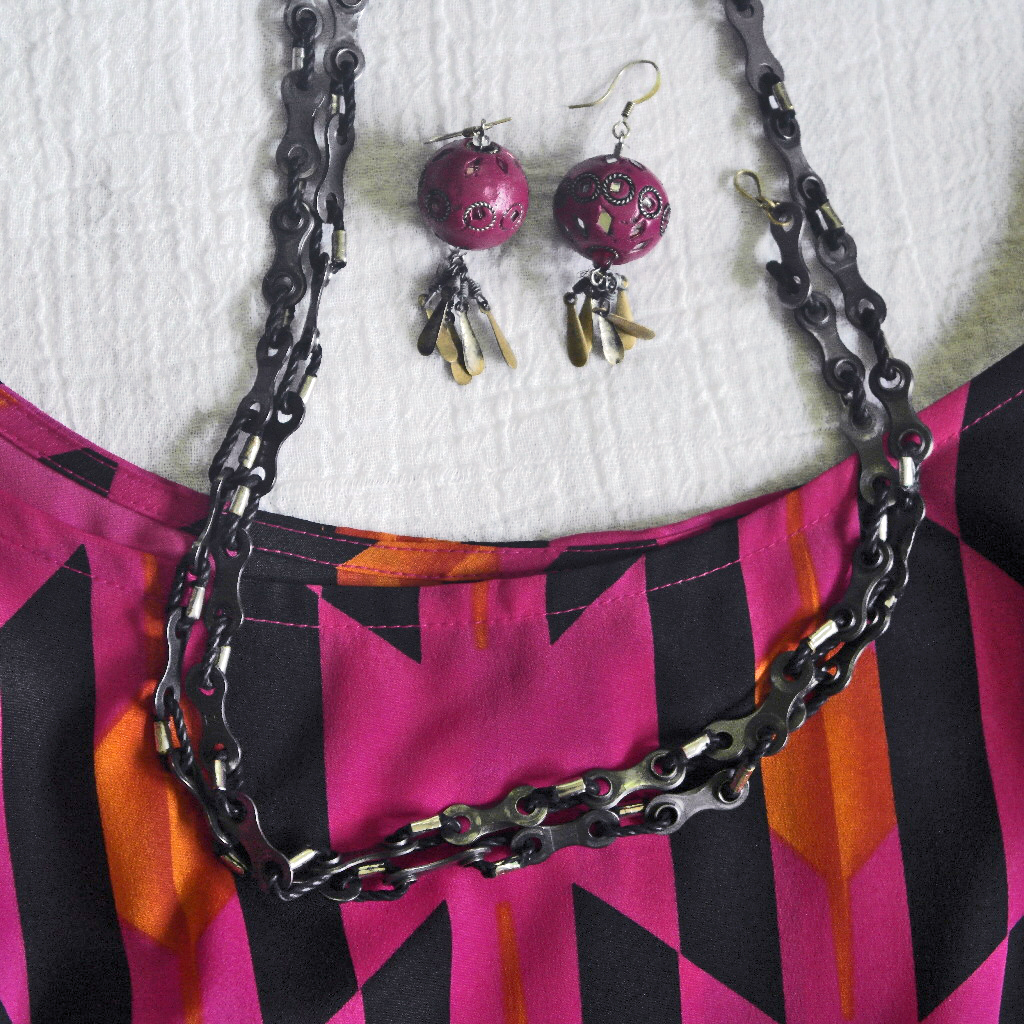
- Third, try being thrifty. There are a couple of ways to do this:
- Go to the thrift store. There are still great finds to be had in the thrift stores, Goodwill, and Salvation Army. They haven’t all been found. People donate more stuff everyday. Try stores that are off the beaten path where there might not be as much traffic. You are sure to find something that not everyone else has.
- Check out the racks at your local discount store trinity. What is the ‘trinity’ you ask? Marshall’s, TJ Maxx, and Ross. In recent years the pickings aren’t as good as they used to be but still worth a look. Approach sales and clearance racks with the knowledge that things in these discount stores are discounted for a reason. Even if you can’t see it or predict it you will always find out the reason why things are in one of the stores in the trinity. Maybe it is just about colors or the season but there may be another issue.
And fourth, and most important, if you do buy super duper cheap pieces take care of them; actually even if they aren’t super cheap take care of your items and make them last. In this way, your clothing and accessories become more than a simple closet of clothes, shoes, hats etc., but an actual collection. So if shoes are looking a little ratty—shine em’. Something’s got a hole or the seam is coming apart—sew it. In this way when you do make an investment, even a $10 one off the clearance rack of some discount store, it will be a good one.
Haters Gonna Hate...
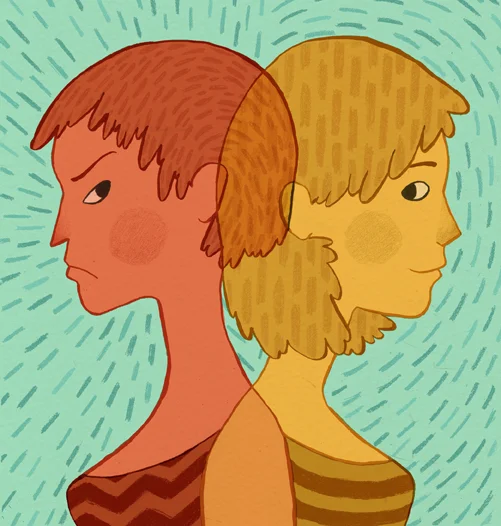
What do you do when those you spend the most time with might be affecting your work negatively?
Have you ever had a friend in your life that you loved spending time with and loved talking to, but alternately did not feel that you could truly trust? A ‘friend’ that you spend time with that, instead of making you feel great, your self-esteem takes a hit each minute you are in their presence? A special artist colleague you share ideas with, who says they’ll never work and turns around and uses the same ideas they criticized? Sounds like you might have a frenemy.
How do you know when someone is a frenemy?
Frenemy, (spelled alternately frienemy) is defined as enemy pretending to be a friend or someone who really is a friend but is also a rival. The term is used to describe personal, geopolitical, and commercial relationships both among individuals and groups or institutions.
Personally, I don’t believe in the idea of frenemies. I believe that people are primarily encouraging or discouraging forces in one’s life; friend or enemy. It has become quite the trend to think of a friend or two in one’s entourage as a frenemy (just watch reruns of Gossip Girl or Work of Art: The Next Great Artist). Eventhough the phrase has been around for a while, it seems as if the idea of having a friend that doubles as an enemy really has taken off in the past few years and is even seen as acceptable. But truly it is difficult for a friend and enemy to exist in the same space. There are a few who do believe it is possible though.
Some might argue that having a friend who isn’t afraid to critique and criticize might make you a stronger person able to defend your ideas, but when that’s all your ‘friend’ does it knocks any relationship off balance and tips the scales more toward the negative.
Friendships already require lots of work. Why have friends that make you feel bad too?
It is true. To be a good friend is a job; usually one worth having. But when the negative and positive aspects to a friendship aren’t balanced you might feel that having certain folks as friends is more work than it is worth.
As an artist, surrounding yourself with those who will encourage and positively influence you is a must. It is even more important because the positive or negative feelings influence you and how you work. It is great to have someone in your life who challenges you to try new media, take an idea to another level, or open your own studio, but when the ‘challenges’ tip the scales more toward the negative then maybe a reassessment is in order:
Maybe you have to choose. I am not saying that you have to, but an article about the cause of frenemy type relationships I read recently points the finger at a lack of space between professional and personal lives. Maybe you have a friend that you share a studio with, live with, and hang out with. Maybe a little space and separation is in order. If you are living and working with someone, hang out with another group of friends when you leave the studio. Hanging out and working together? Perhaps change your living situation. The fact remains; changes might need to be made to salvage the work relationship or the friendship. Sometimes spending 30 hours a day together just doesn’t work.
Know the difference. Know the difference between someone that is purposely hurting you and someone who is simply a clueless bumbling idiot when it comes to their interactions with others. If your friend is of the bumbling idiot persuasion tell them how you feel. Hopefully that will nip things in the bud.
Understand what and who affects you and how. Went to dinner and a movie with Chip and now you feel like crap. Either you have food poisoning or Chip might be a little toxic. If conversation usually hovers around the energy vampire level (that is sucking all of the good energy and light out of a room) every time you are together then don’t ignore the obvious: Chip makes you feel a little queasy. Pay close attention to how you feel when in the company of others. Why spend time with people who make you feel not so great? Life is too short.
Accept challenges, not disrespect. If someone is challenging you do become a better artist and or person don’t confuse the fear of change with actual straight up ugly toxicity. When a person you hang out with is not respectful of you, and your ideas and feelings it is obvious, you will feel it.
Know when it is time to kick someone to the curb. I know it sounds harsh, but the simplified version of the story is: This person is negative. They make you feel bad. You need to leave them in the dust. The end. If you’ve already made attempts to express your feelings and work on a friendship and they’ve been ignored, you might have to move on. The end (again). Your call.
I'm Just the Messenger...
Listen, I am not telling you to dump all of your friends. With every friendship there are ups and downs; nobody is perfect.
I am just saying be observant of how those you spend the most time with affect your being and your spirit. Keep those who encourage you, love you, help you to grow, support you, and help you to expand your horizons close by. You might notice a difference in the way you feel and the artwork you produce.
Giving Thanks For What You CAN Do.
Of course no one is perfect, but what do you do when what you feel like you CAN'T do overshadows what you CAN do?
I would be a better artist if I was more like {fill in the blank}.
We all experience it.
Every now and then we all have that..not so artistic feeling. You are having a bad day. You begin to focus on your weaknesses and the things you aren't so good at executing. The ball keeps rolling, you start looking at all of the things you think you do wrong and BOOM! You are depressed. The next thing you know, you are eating a whole pint of ice cream and now you are eyeballing that bag of chips... Well stop it! Right this minute!
As an artist I've said many things to myself too. Honestly, mostly positive and encouraging things, but every now and then a not-so-great thought slips through and my artistic self-esteem drops. Not so different from what we do to ourselves as everyday human beings, except as artists, how we treat ourselves on a daily basis affects our product; what and how we produce. The insults we most often hurl at ourselves is comparing our talents/life/productivity/perceived level of success to someone else's. Though everyone has their bad days and this is a natural thing that we do, it is counterproductive. Sitting around crying in your beer (or latte or tea) about what someone else can do and you can't doesn't change things.
So what CAN you do if you are feeling particularly low and need to pick yourself up a little? Say thank you, that's what.
Psst...I've got a secret...
A year ago this week I read the book "The Magic" by Rhonda Byrne. The same chick that wrote "The Secret". A couple of things about the book struck me right away. First, the title. I love anything to do with magic and mysticism. To my dismay (and delight) I found that there was no fairy dust or warlocks. Second thing that got me is the concept: if you say thank you and show gratitude for what you already have, it opens the door for more opportunities to come your way. Pretty amazing. Just say thank you. My personal theory is that if you are so busy saying thank you (which is positive) you don't have time to complain (which is negative). The other stuff that Ms. Byrne mentions is a bonus for me. Saying thank you simply stops the negative thoughts from coupling and having 'negative thought babies'.
"Now what do you say....?"
How many times as a toddler or teenager (or adult) have you been prompted by that phrase? "Now say 'thank you'. " Now it is your turn to prompt yourself. When you are busy saying 'thank you' for what you can do, you spend less time whining about what you can't do. Therefore more positive energy doing something positive.
So I ask you, what do you say when you have one of those days where you feel like you can't do anything right? Give thanks for the things you can do right and work towards improvement in other areas. Check out the ideas I have for ways to say 'thank you' for your talents.
Five Ways to Show Gratitude for Your Gifts:
- Share Them. Volunteer with an organization that allows you share your artistic talents. A Boys and Girls Club, after school program, or non.profit organization might be just the perfect fit. Why not teach a class or donate a piece of art to an auction.
- Make a list of at least 10 of your artistic skills and why you are grateful for each one. When you make this list I guarantee you will be surprised at all you can do. You might even find that your list is longer than 10 skills.
- Make a list of 5 things you've had the opportunity to do or experience because of your talents. What are some things that you would've never experienced if you weren't an artist? Maybe it was a trip or meeting a great friend.
- Look at 3 of your best pieces. Find something uniquely wonderful about each one and write it down. There is something in each of those pieces that only you are able to execute with a certain flair.
- Think on 2 aspects of another artists career that you admire most now think about how you are on your way to making comparable achievements. For example: "James Dowerson has exhibited in 17 galleries this year. I have exhibited in 3 shows this year." This exercise isn't really to compare yourself to another artist but to show you that, in the words of one of my favorite inspirational speakers Wayne Dyer, "When you change the way you look at things, the things you look at change." When you give weight to your accomplishments and acknowledge them it makes a difference and validates your efforts. It acknowledges that you are trying, and that is what is important.
Write all that you've discovered you are thankful for down on a piece of paper. Carry it with you and pull it out when you are feeling a little less than accomplished. It will be a reminder of how awesome you are.

When Things Don't Work Out The Way You Plan.
Things don't always go the way you plan, so what do you do when they don't?
The Show.
Last year, I had this absolutely fabulous show planned. I'd never done a show all on my own before. Normally, I did group shows or affiliated with organizations or museums. This was my first time on my own. I was excited, nervous, and a whole bunch of other feelings all mashed up together. Up to the day of the show, everything went o.k. I'd been able to deal with everything that had come my way.
The day of the show, my mom and brother were helping me pack my SUV and their cars. Then I felt it. One drop, then two. At that moment I knew that eventually the heavens would open up and that would be 'all she wrote'. The show would be over. But I kept moving. This is Florida. People aren't afraid of a little rain (especially with the way we drive in the rain here!).
Showtime.
Things kept rolling along. Family had come to help me set up. Check. Models in makeup. Check. Food out. Check. Photographer. Check. Friends that said they'd be there, were there. It was a small group of us and the weather was bad. People would show up when the weather cleared though. Showtime came. No more people. We did our thing. Everything went better than I expected. Really smoothly. It was really a great show. But. I was a little upset that there weren't more people there to see how great it went; how great the models were and how awesome the work was. There were only about 3 or 4 people there I didn't know. What had I done wrong? I should have spent more time advertising and talking about the show. Shoulda, coulda, woulda. It was too late then.
Flogging Tracie.
Ohhhhhhh, I beat myself up about it for a long while. It was bad. Think about that scene from The Da Vinci Code with the guy hitting his back with the tiny whip. So when did I finally stop flogging myself?
Lesson Learnin'.
I stopped beating myself up when I came to the realization--all over again--that things don't always work out the way you want them to. No matter how much you plan; this includes plans a,b, and c. As I'd already told you, I'd felt like everything else went pretty well. I'd had a grip on everything else. I still had to realize that: 1. I couldn't control people and 2. I simply needed to learn from this experience and move forward to the next show. That's it?? The next show? That really sucked.
I want a Delorean.
Please forgive the shameless 80's reference , but I did want a time machine. I wanted to go back and do it all again. I wanted something else to make me feel better. Closure. Yeah, closure. Especially now that I saw the error of my ways. But nope, that was it. Just a crappy lesson. Alright. I admit it. The lesson wasn't so crappy. I found a true understanding of the importance of p.r. and marketing. Telling people about what you are doing is important if you want them to see and be a part of what you are doing. It is just as important as the work.
Just because...
So the moral(s) of this story isn't that you should not bother to make a plan because it isn't going to work out anyway, but...
- just because things didn't work out the way you wanted them to doesn't mean they didn't work out.
- always look for the lesson because I guran-you-tee that there is always a lesson.
- look for the gold lining. Though I didn't have a whole bunch of people at the show I made a nice chunk of change and found great homes for awesome jewelry.
See? It's o.k. if you don't always get your way.

The Artistic Perils of Constant Agreement
What is the real danger when artists just want to be 'liked'?
Please like me.
In the world as it exists at this moment, there a millions of us that determine our self-worth by how many 'likes' our last post received, how many 'friends' or 'followers' we have or how many people click 'favorite' for something we've done or said. Honestly, who doesn't want to have the warm glow of a spotlight shined on them from time to time? This should be o.k. , shouldn't it?
The sad reality is that we love those that are saying what we want (or think we want) to hear and completely cut out of our lives those that push us to think a little more about what we believe. In the end, not only do we miss out on the much needed pro/con balance that we all should have to make well-informed decisions, but we also miss out on the mental and emotional exercise of thinking progressively.
But what about when we as artists allow what has become our need to be liked to temper the work we do as well as our personal opinions and preferences when it comes to addressing certain subject matter? A little disagreement and discourse are what make the world go round, right? Of course, not to the point that it becomes destructive (Also known as filibustering. But that is, ahem...a whole other topic entirely.), but there is nothing wrong with disagreement. The world of art is built on the act of disagreeing.
A World Built on Disagreements.
Have I totally lost you?
Well, just think about it. I am going to scare myself now by actually remembering things that I learned in school: If you've taken any 20th century art classes, do you remember the day that your professor talked about the Impressionists? What about Pointillism? These artists had a decidedly different way of looking at the world that most traditional artists and art aficionado didn't agree with in their time. Most people thought they were crazy (well in the case of Van Gogh he was a smidgen kooky, but I digress...) What about Dada? People really thought those artists had lost it because they'd wandered so far from the path of the traditional. Of course now we all have the benefit of 20/20 vision. We can at least respect their way of looking at the world and the act of art-making if not their genius. More than likely, if these artists had been on Facebook, Pinterest, or Twitter their artistic self-esteem would have been in the toilet. No pins. No likes. And definitely no followers. What would we have missed out on if these artists hadn't had the courage to stand by their decision to disagree? You got it. Probably no Impressionists. Then what would we have put up on our dorm room walls in college if not cheap poster reproductions of "The Scream" and "Water Lilies"?
It's Our Responsibility.
It is one of the many responsibilities of artists to disagree. We have the opportunity to be reporters, truth tellers, messengers, therapists and psychologists. We see the world differently. It is meant for us to help others see things differently as well. And a lot of the time people aren't going to be so happy with what we tell them. When we choose to RESPECTFULLY disagree, we expand someone's world a little by (hopefully) prompting and exchange of ideas. Because I truly hope that someone would ask me why I think the way that I do instead of stomping off in anger. That way we can chat. I can learn something and they can learn something.
Next time...
So next time you click the 'like', 'favorite', 'pin', 'follow', 'friend' or whatever the button may be, think a little more about why you do it. Why not go ahead and click favorably even when we don't agree but appreciate and respect when someone has challenged us intellectually and made us think. Thinking is good.
Finding Your Focus.
Ever sit down to do work and find that you are anxious, easily distracted or simply can’t sit still and focus long enough to get anything done. After an hour or so of pretending to do ‘research’ playing Candy Crush Saga then you just give up all together.
Did I just blow your mind with my telepathic skills? How do I know you so well you ask? I admit I am not telepathic, but I can relate because most of us do the same thing at some point in time or another [though simple tv is my procrastination weapon of choice]. I’ve had days where all that I have to do positively overwhelms me and stops me before I even get started. So how does one keep moving when their brain is on lockdown?
How to fix your brain when it feels broken.
I have a few things that work for me when I need to force myself to work. Some are kooky and some are more acceptable to the masses and a bit more traditional. No matter how you label these suggestions they are here and ripe for the picking. The key is to choose what works best for you so that you can get what you got to do DONE!
1. Create your own ritual. Short definition of ritual: Any act or procedure that is consistently followed. Key word: consistent. This tip is by far, I feel, is the most effective for a lot of people so we shall start here.
Can’t complete a sentence until you’ve had a cup of coffee, tea, or bowl of ice cream? No work until you’ve had a good meal and a shower? Thirty minutes of reading and a good workout to start your day off right?
All of those sound like good ways to get your workday started. Recognize when you have a ritual and a way of starting your day. Don’t fight it. Honor it by completing your daily practice and get going. If you haven’t noticed what you do to get your day going, start paying a little more attention to yourself. Use what you discover to make your work time productive time every day.
2. Exercise. If you are fidgeting and anxious sometimes a quick burst of activity is just the right thing to get the ants out of your pants.10-15 Jumping jacks.1-2 minutes of jumping rope. Running in place for 30 seconds. 5 push-ups. Don’t do them all, just pick one or two. The key isn’t to get you tired. The goal is to get your mind and body to focus on the primary activity that you want to perform. This also works if you are feeling a bit sluggish and need to wake up a bit.
3. Pick A Place. Anyplace. Sometimes you need to get started plain and simple. Often times we sabotage ourselves by saying we must complete a specific task before we complete another. Not for any reason in particular, just because you have it in your head that it needs to be done that way. Maybe you should start with the task that you most dread.Or start in the middle instead of the beginning. Go ahead and do it. Get it out of the way so that you aren’t dragging your feet to avoid getting to it.
4. Go to sleep. Are you procrastinating or are you exhausted? Know the difference. If you’ve been working way past your bedtime lately maybe the best thing to do is go to sleep. No one gets any medals or trophies for passing out at their computer, just a nasty kink in your neck. There is a lot to be said for going to sleep for a few hours [or at least an hour nap if you must work] and getting up with a fresh [and rested] perspective.
5. Play a singing bowl. I can just hear you now: “A what??” Before you start saying how crazy I am, read more about it. A singing bowl is known primarily a tool used for meditation. It has also been thought to be a tool for healing. It is played by running a wooden dowel known as a striker around the rim of the bowl. It is one of the purest, clearest sounds you will ever hear. I love them because whenever I play it feels as if the sound resonates through me clearing out all the cobwebs. Sounds all cheesy and new agey, but it works for me. Regular meditation without the bowl to focus or clear your mind works pretty well too.
6. Write in a journal. There’s nothing better to clear your mind than getting all those thoughts rolling around in your head out of your head. Sometimes when you choose to write down those problems, concerns, and ideas cluttering your psyche you actually have the opportunity to work through them or flesh out the idea while simultaneously freeing up space to think about something else! Perfect.
7. Find the best time. Discovering where and what time of day you work best is essential to being productive and keeping focused on your work. Can you really work with music or the tv on? Are you more alert in the morning or in the evenings? Do you have to hide in a secret place at a library or at home to work effectively? Making these types of personal assessments will ensure that you are going to be successful when it comes to getting your work done.
8. Go to a movie. ...[or listen to some new music, or go dancing, or go to a concert, or read a book] This tip is two-fold; if you are trying to focus or jumpstart your creative brain. This is definitely my favorite tip for obvious and not so obvious reasons. Sure it seems like a procrastination tool, but just listen to my logic. When you go to an event or happening where other people are being creative it literally refills your creative well when it is reaching critical status. I find that when I am looking at someone else being creative I, myself, end up feeling more inspired and creative. Therefore helping me to think a little out of the box when it comes to problem solving. See! That wrapped up nicely with a bow.
9. Make a list. Last but not least, you should make a list of what you need to do. If you are feeling overwhelmed with the 100 things you believe that you have to do. Make a list. Lists help you fully define what it is that you need to accomplish. There are times when you believe you have lots to do, you make a list only to discover that a number of your tasks can be combined, streamlined, or eliminated all together. You might find that the 100 things you have to do is actually just 50. Don’t you just love it when that happens?
TALENT. An Interview with artist Greg Francis.
Artist Greg Francis talks about what shinanigans he's been up to recently.

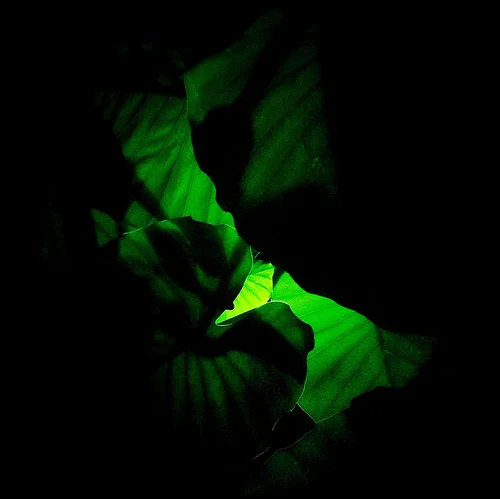
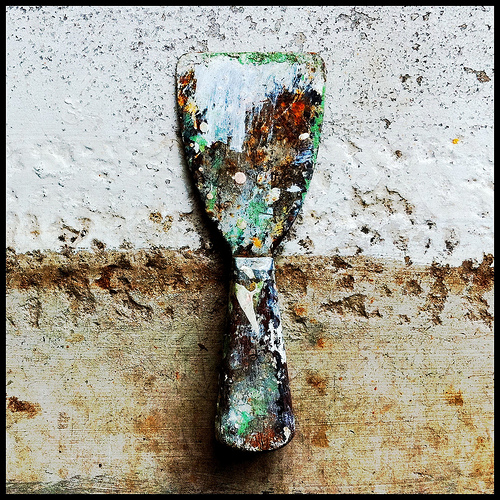

http://greg-francis.com/
Urban Atelier: So you recently finished your 365Project, which was a photography adventure that you completed over a year. Tell me a little about it and why you decided to do the project.
Greg: For the 365Project, I took one photo a day, every day, for one year. It's a project I had seen in many forms over the years executed by various artists. I had always wanted to start such a project on the 1st of January, but it had always slipped my mind when that date rolled around. So on January 1, I was walking the dog and I snapped a photo. It struck me that the project had finally begun! I decided that I would announce the project via Facebook and post the daily photos there as a way to keep myself honest. Once others knew I was doing the project, It would be more difficult to let it lapse. I then decided on two simple rules. I could only use my iPhone to capture, edit and share the photos and the photos had to be taken the day they were posted.
Urban Atelier: Do you focus on particular subject matter?
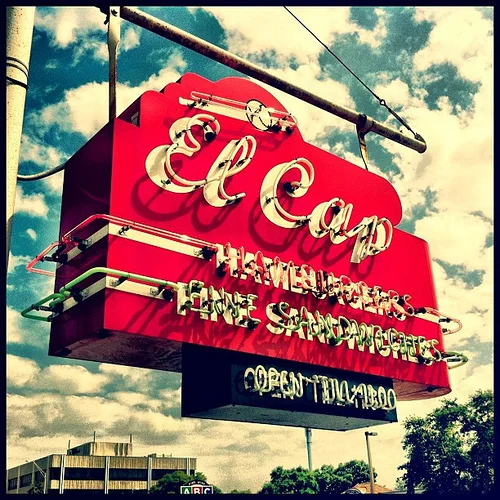
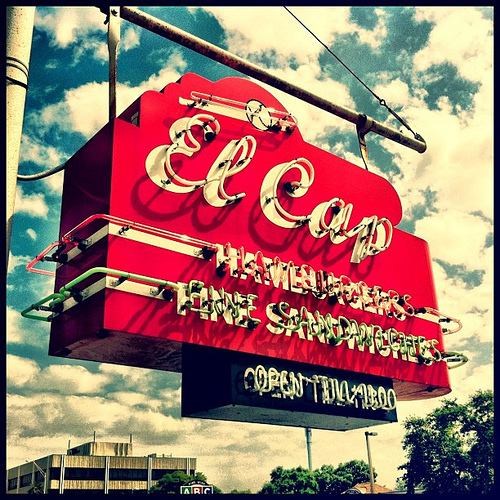
Greg: Nothing in particular. Everything is fair game. Landscape, abstraction, still life…my goal is always to create a strong image, regardless of the subject matter. Usually a composition or lighting situation or color combination presents itself and I’ll document that, but I do on occasion obsess over a particular subject. Most recently, that subject has been vintage signs around St. Petersburg. I started out taking a few pictures of local signs as part of the 365Project. After I collected a handful of vintage sign images through that project, I decided to develop them into a standalone project. That project consists of a website and full-color photo book featuring 16 local vintage signs: http://vintagestpete.com/
Urban Atelier: Do you work primarily in photography or do you work in other media as well?
Greg: I primarily work in photography, as I find its the most accessible medium. With digital photography, the medium has become very democratic in that it is not imperative to have expensive equipment and dedicated working space. While I do have a decent DSLR camera and professional editing software that I use quite a bit, I am also very proud of the body of work I have created using just my iPhone.
Urban Atelier: Keeping the fact that you used Facebook instead of a traditional gallery setting to show your work do you think submitting your work to traditional galleries is still a worthwhile process?
Absolutely. In fact, after the 365Project received some local attention, I was invited to participate in a photography show at a local gallery. Facebook was great for very superficial feedback, by which I mean that I could only judge the relative success of an image by whether (and how often) it was "Liked". In the gallery setting, the feedback was much more in depth. I had some wonderful conversations with everyone from professional photographers to everyday art fans and I could really get a sense of how deeply affected these viewers were by a particular image. Nothing can replace that face to face interaction.
Urban Atelier: Did you go to school for art? Do you feel that you’d be a different artist if you hadn’t gone to school for the arts?
Greg: I received a Degree of Fine Arts in Sculpture from the University of Florida, and I later received a Degree in Graphic Design from the University of South Florida. I feel the experience of attending university for the arts was invaluable. Creatively, I feel you either have "it" in you or you don't. You can't teach creative sensibility. But you can further develop that sensibility through exposure to other artists, alternate methods of working, various materials and media and feedback from other creative people. I know for a fact that I would not be the same artist I am today had it not been for my education in the arts.
Urban Atelier: Have you become more or less daring as an artist as you’ve gotten older? If yes, in what way? If no, do you think it is necessary to take chances as an artist?
Greg: I've never been particularly daring, and that has worked out for me so far. I guess it all depends on your individual goals and whether pushing yourself out of a particular comfort zone would help you reach them. I've never felt that I hadn't gone far enough on something, although I don't know if it would necessarily be a conscious decision to do so. I've always just done what I wanted to do.
Urban Atelier: You don't think putting your work up on Facebook for the world to see and critique is a little daring?
Hmm…I never thought about it that way. I tried to put such a high standard on the quality of images that would ultimately be posted that I never really feared outright rejection. I guess it was more that I was honestly sharing images that I already loved, and any positive feedback was a bonus. Plus, I think its a very passive way to put your work out there. You have the option of whether or not to engage those that have reacted to your work on Facebook, versus a gallery setting where its much more interactive and you must react to feedback in real-time and in the flesh. I think that is FAR more daring.
Urban Atelier: Have there been obstacles to practicing your craft? How did you move beyond them?
Greg: As with most artists, my main obstacle is time. Between the "day job" and other "adult" responsibilities, there's not much time left for creating. That is why the 365Project was such a wonderful exercise. I HAD to find time to create an image because I had a daily deadline. After having a full year of daily deadlines, I got in a habit of making time to do something creative. The project officially ended on December 31, but even now I still post a daily photo. I am not beholden to follow the same rules, so that has allowed me to revisit some previous photographs that didn't fit the criteria for the 365Project.
Urban Atelier: What part of your life do you feel has been most influential in your work?
Greg: Being married to another creative person has had a great influence on my own creativity. Kelly and I share a uniquely compatible aesthetic, so we both act as sounding boards for one another. She can fill the gaps in how I may be approaching a problem, leading to a more successful, well-developed solution. We also share an affinity for travel, from which I draw much inspiration, both for design and photography.
Urban Atelier: When did you know that you are an artist?
Greg: At an early age. I would draw comic strip characters by sight almost perfectly without actually tracing. My mother and grandmother noticed this and were (and are) very supportive and have always encouraged my artistic development. While I had been interested in various professions growing up, I always knew I would end up in a creative field. Thankfully, I was never pressured to consider something more "practical". If anything, there would have been more disappointment if I HADN'T gone into the arts.
Urban Atelier: Do you have any rituals or habits that you observe before or while working?
Greg: Nothing in particular, although I guess you could call the final part of my process a habit. Before I can send anything I have created out into the world, I run it by Kelly for her seal of approval. Being so close to what you are creating can produce a certain tunnel vision at times, so having someone with a similar aesthetic review your work can be very beneficial.
Urban Atelier: Is there anything you want to make sure people know about you as an artist?
No, I think this just about covers it. I'm usually not very analytical about the whats or whys of my work. I do what I enjoy and hope that shows in the final product. My primary drive is to have some constant thread of personal creativity in my life. Whether that takes the form of photography, landscaping or web design doesn't matter. I'm most fulfilled when I have a project (or two, or three).
Since Greg and I initially spoke, he's since completed another project photographing historic signs in St. Pete. Take a look: http://vintagestpete.com/ The rest of his work is here.