
Sketchbook Sketchings
“Sketching is the breath of art: it is the most refreshing of all the more impulsive forms of creative self-expression and, as such, it should be as free, and happy…”
“Sometimes the very best of all summer books is a blank notebook. Get one big enough, and you can practice sketching the lemon slice in your drink or the hot lifeguard on the beach or the vista down the hill from your cabin.”
The Sketch Book Isn’t Always Full.
I can’t remember the last time I was really with out some type of sketch book. Even when I was 8 or so I had a steno pad I drew in. I didn’t keep anything, I just gave the drawings away. I also would put them in envelopes and decorate them; give them as gifts. I had (still have) a thing for receiving mail. Receiving mail is like a surprise gift, hopefully… (“What’s in the Box!?!?!” Forgive my movie reference. I couldn’t resist.)
Dont think I don’t ever use my phone for notes and such, I do. I have 600 pictures and 100 types of notes and lists. I am just the type of artist that also needs to touch things: a pen, the paper, smear things with my fingers, rip some paper… It can’t be replaced.
Books, Books Everywhere.
I keep books kind of everywhere these days. In my purse I always have a book. In my car I have a book for notes and thoughts since I listen to audiobooks and music all of the time. They are all a combination of thought/idea books or word sketches (since I can totally make up my own things here) with sketches for work or design layouts. I have a book specifically for my community work. That was a gift. I keep ideas, meeting notes and such in it. I make my own books too but also buy books. I just bought 2.
Playing Favorites.
My favorite of all is to sketch on tracing paper. I overlay and combine previous sketches plus I love the way the paper sounds…all crinkly. Makes me feel like I’m doing something. It’s also nice to use in collages. It allows you to layer with transparency. I usually make it more transparent by adding an oil.
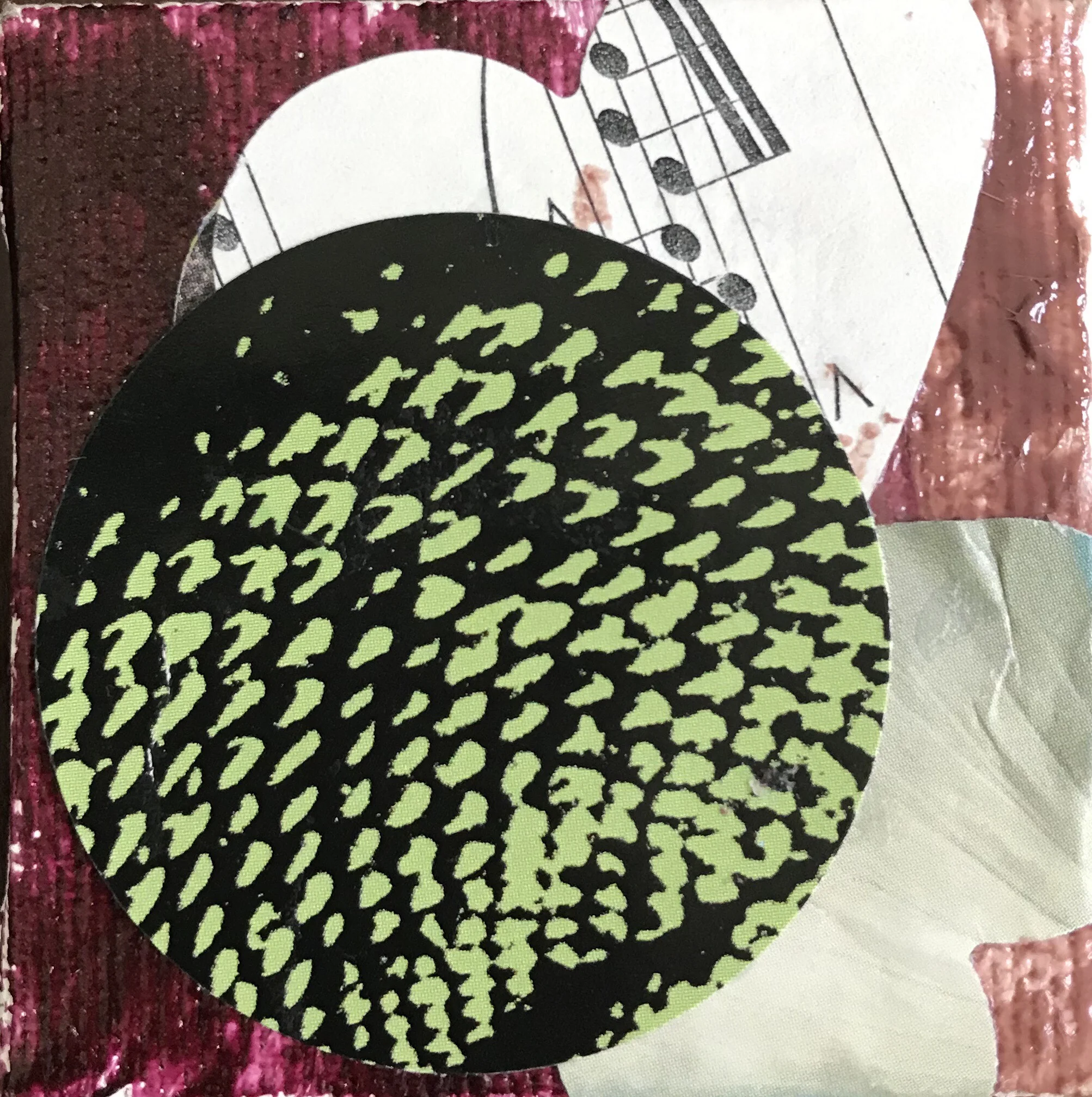
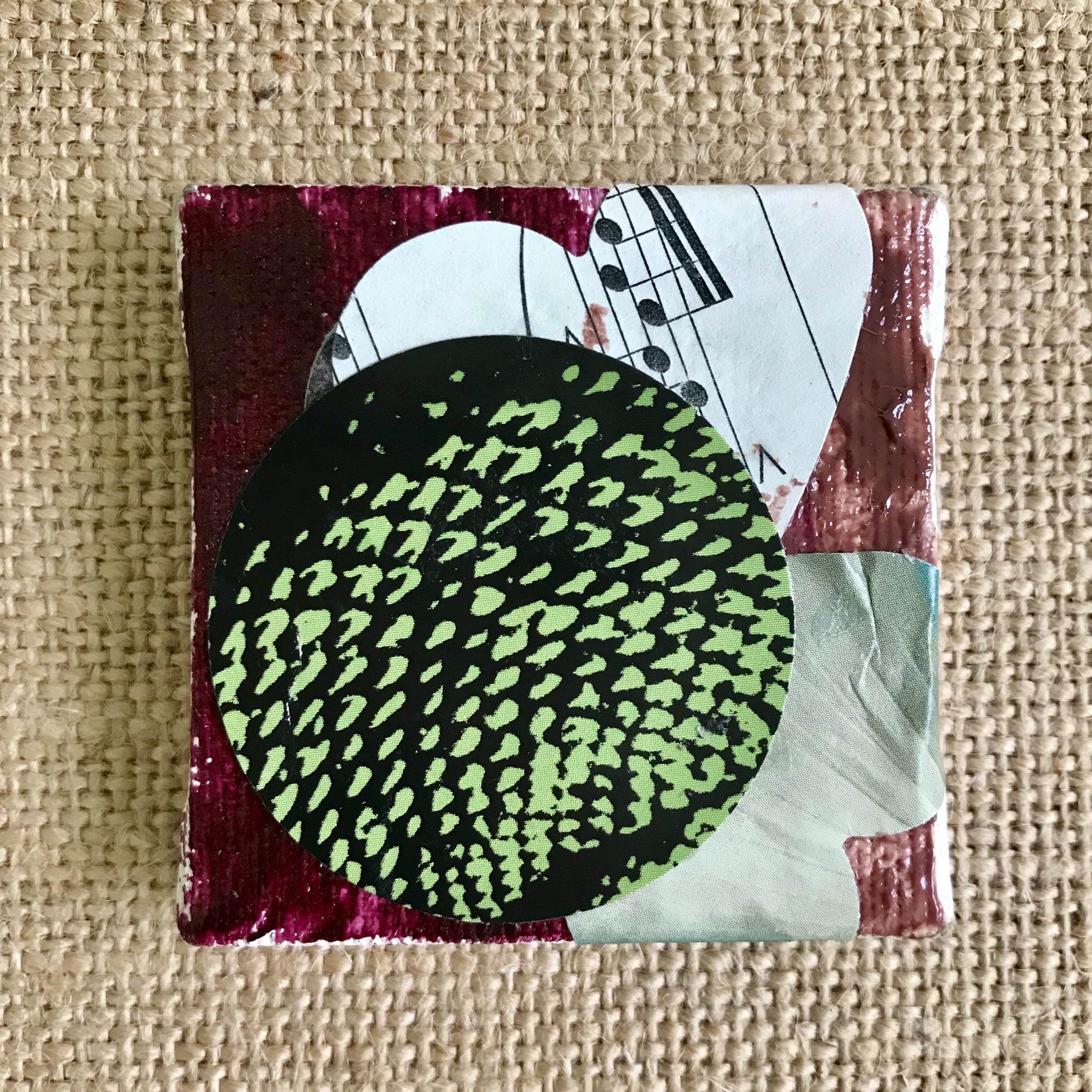
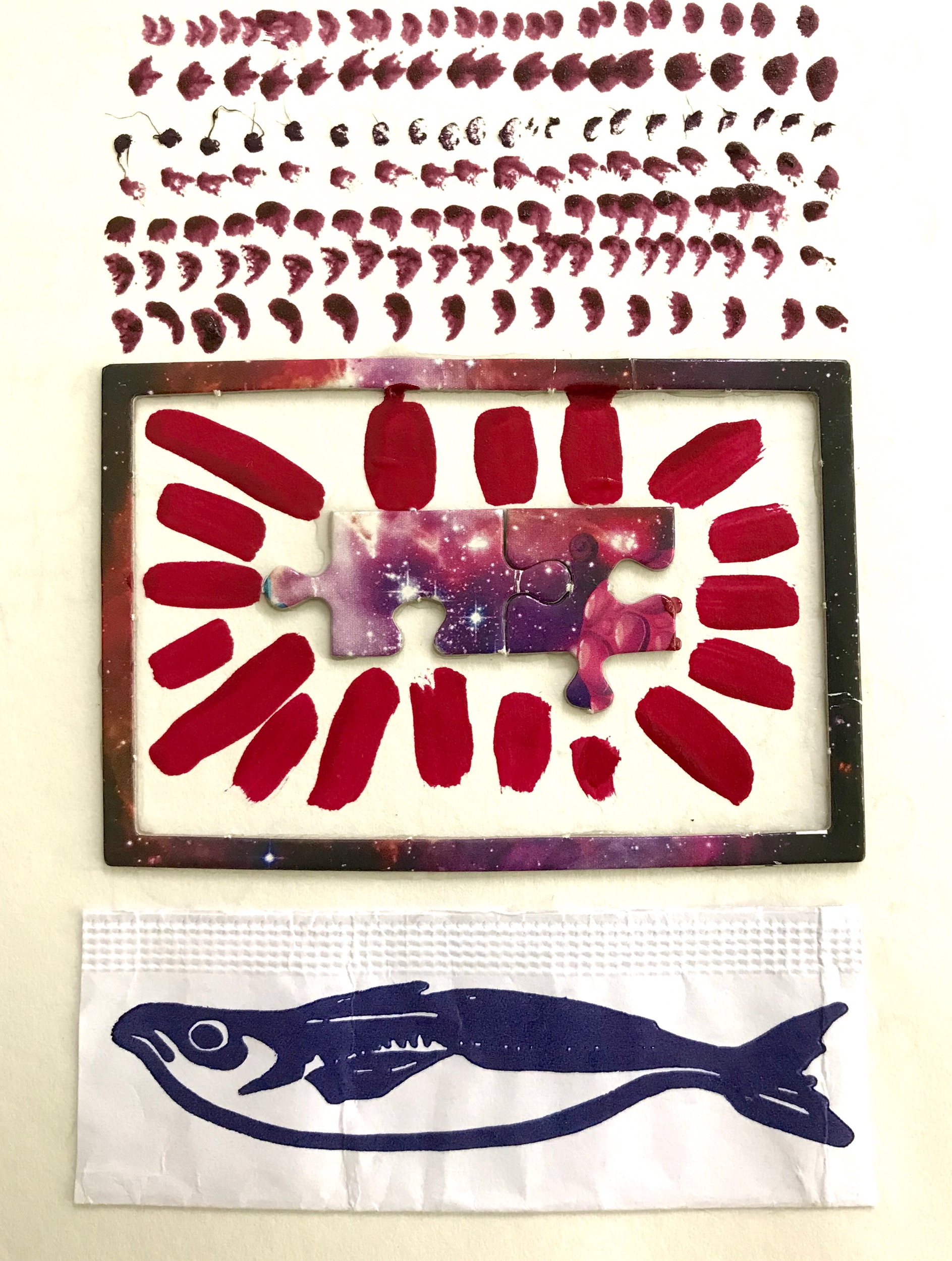
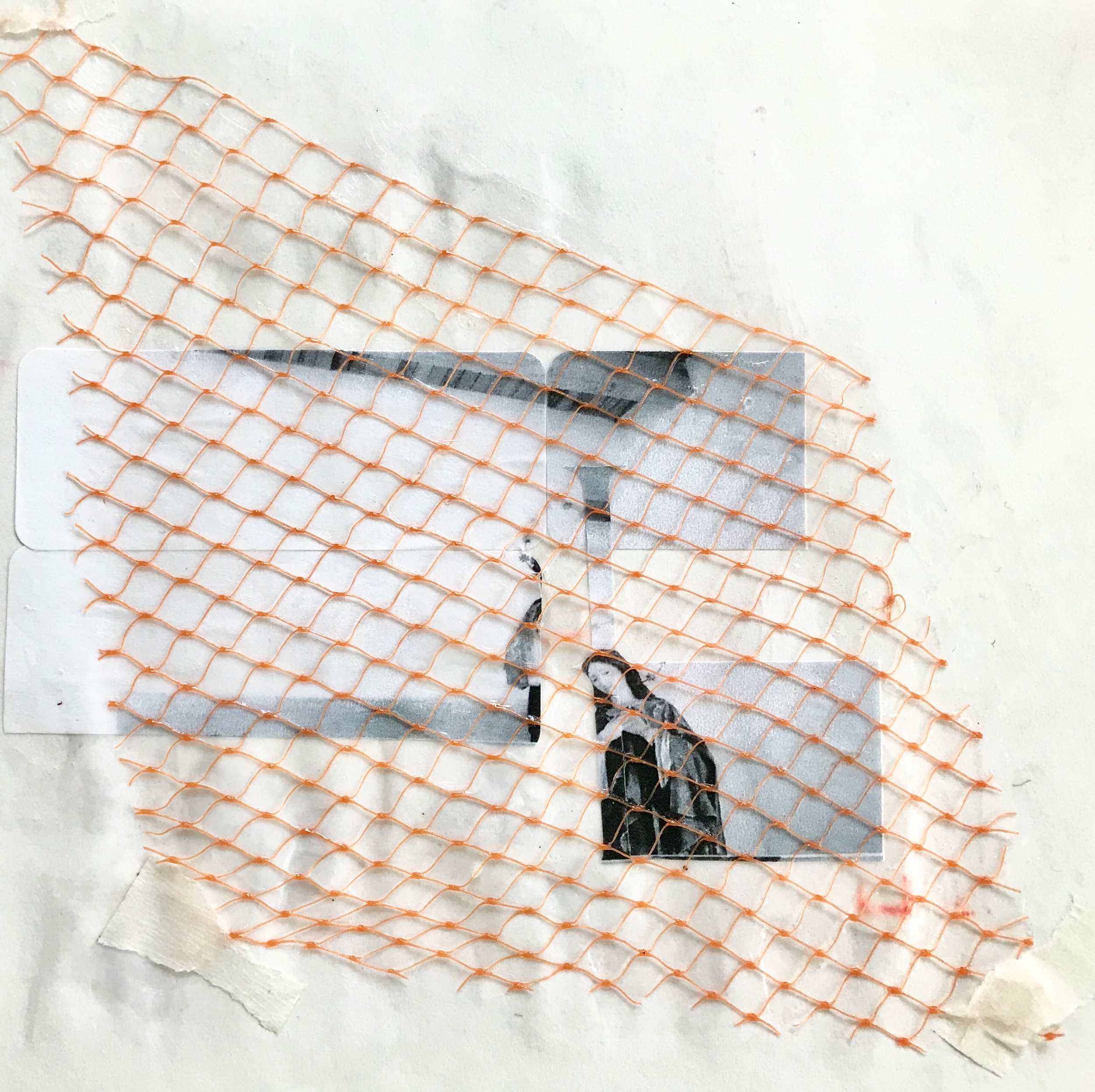
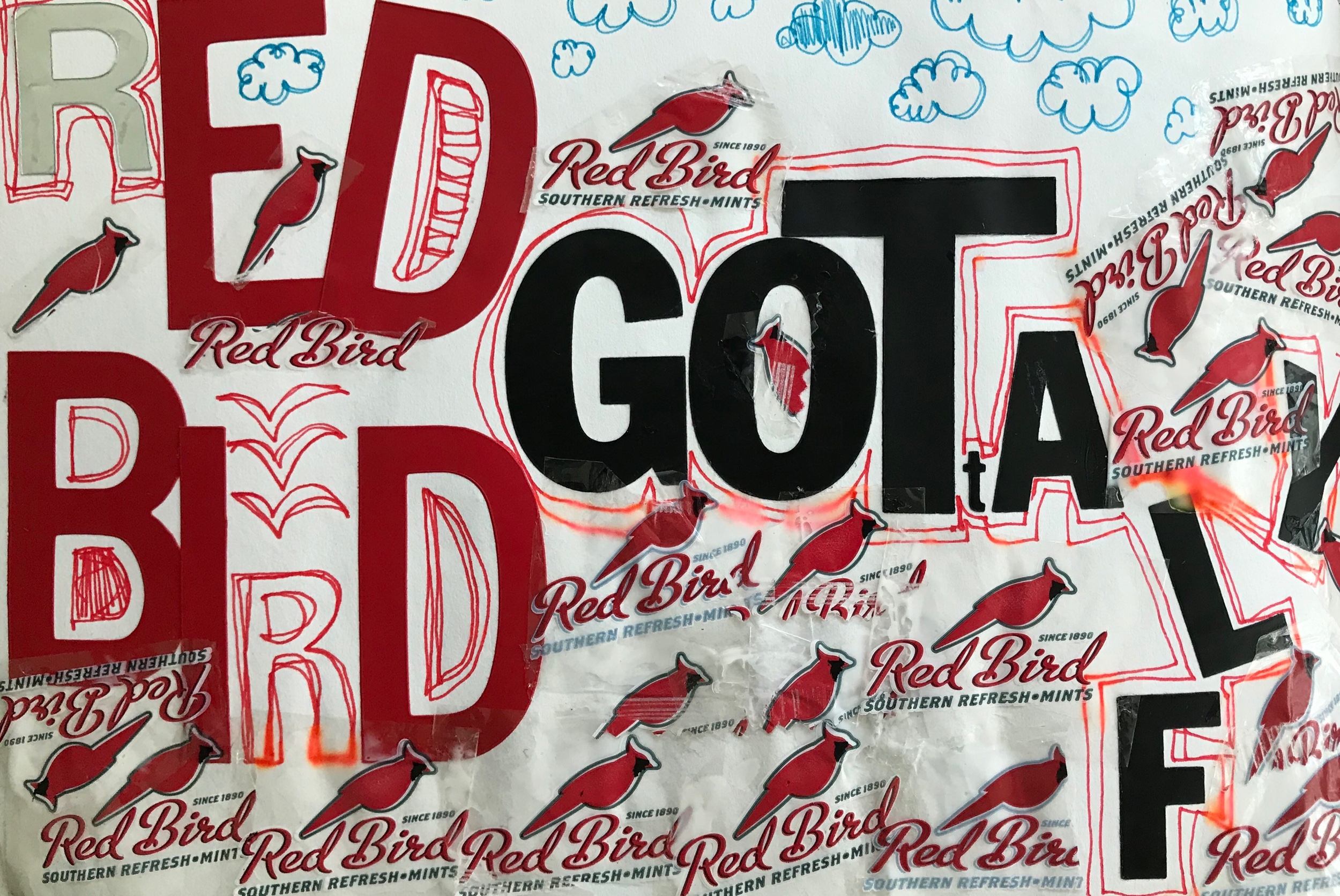
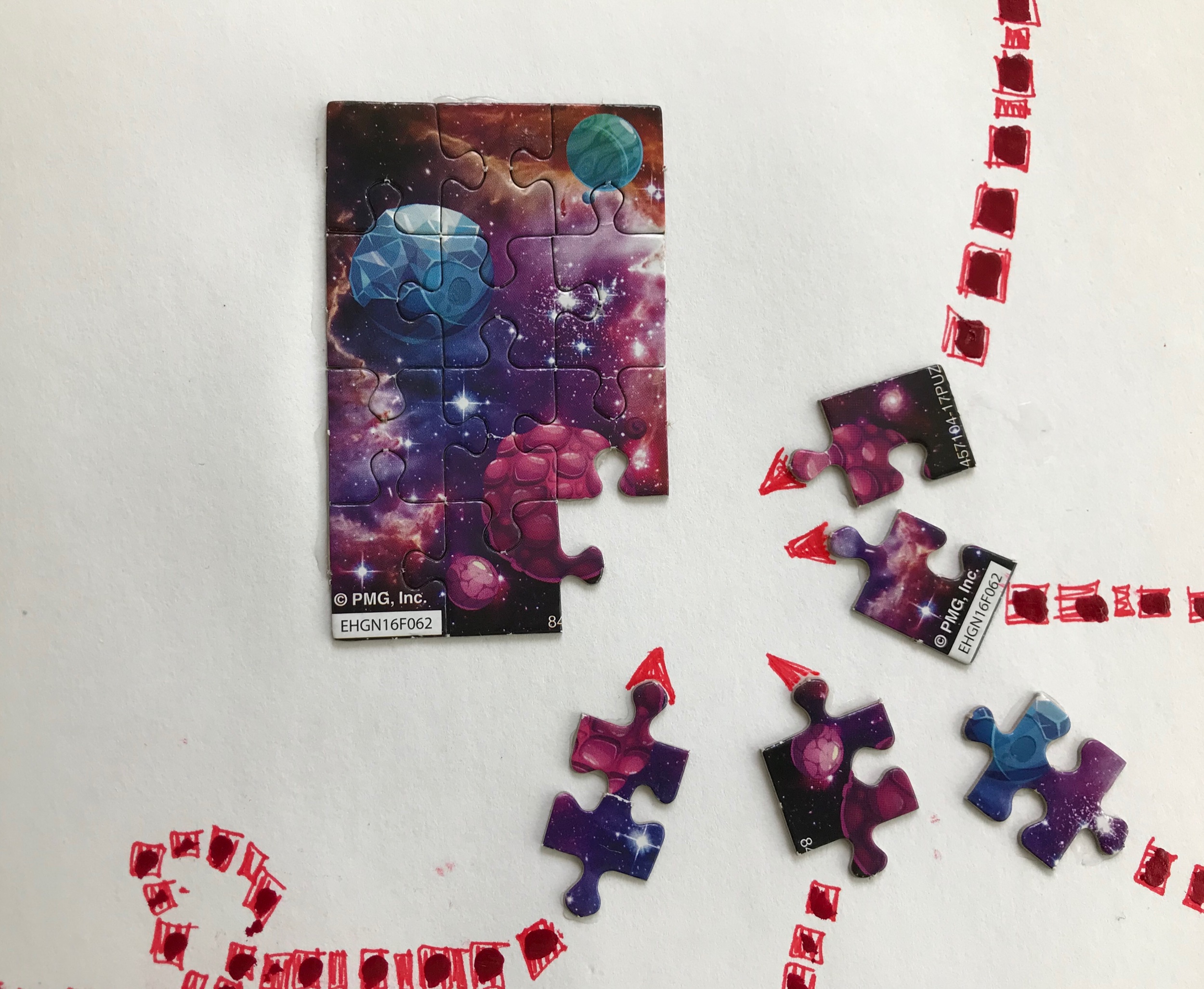
I just did these collage sketches last night, adding to a sketch book from college actually. I realized recently as I was going through it mining for ideas (best reason to keep a book) that I still had space in it. I do this type of sketching when I’m going through an artistic transition of some kind and need to work through it.
The first is a tiny canvas about 2 inches x 2 inches the rest are in my book. All components are recycled.
TALENT: An Interview with artist Jo DeSerio Jones
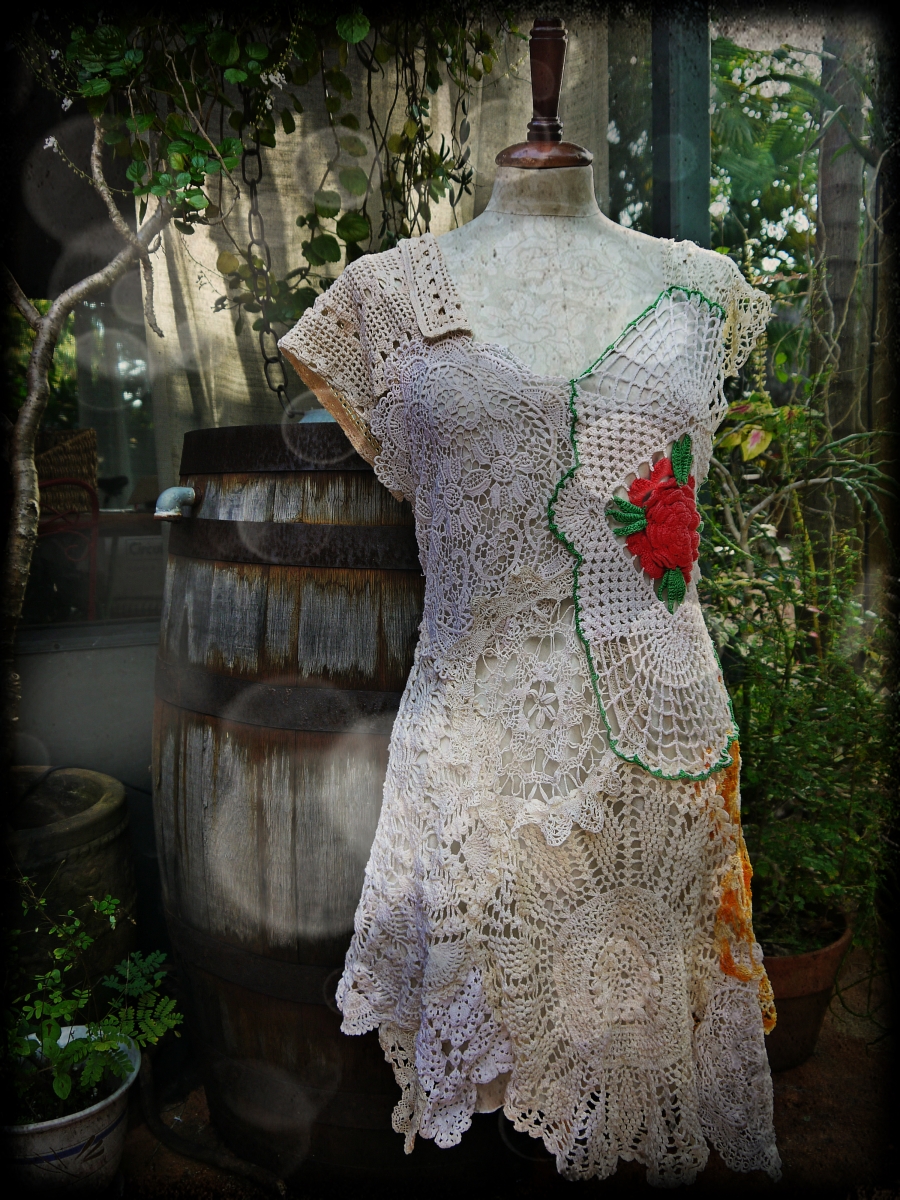
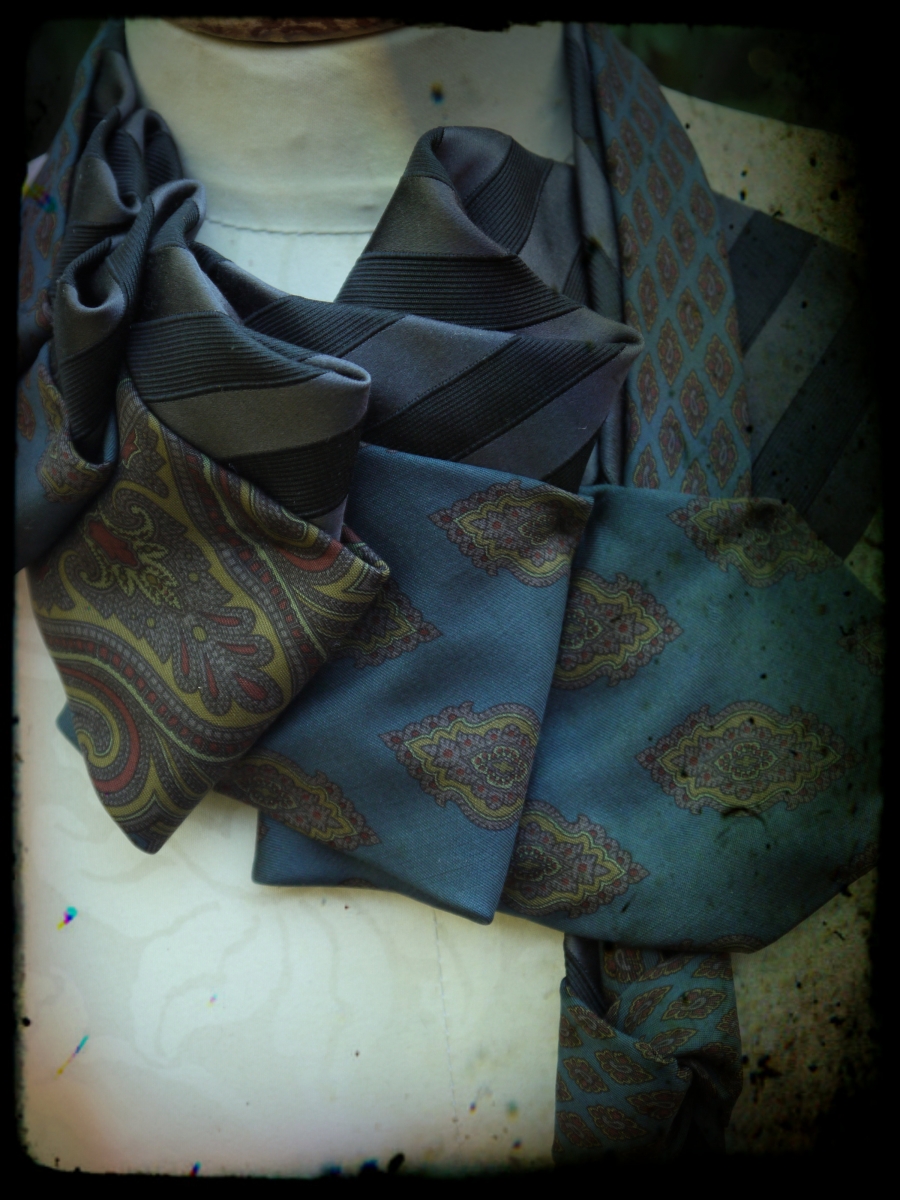
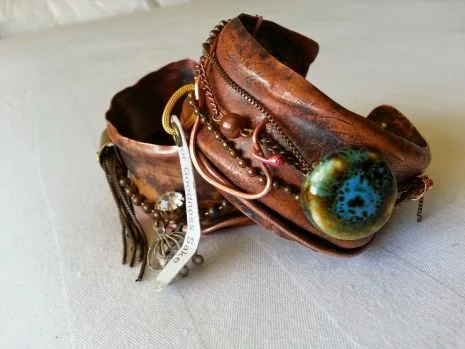
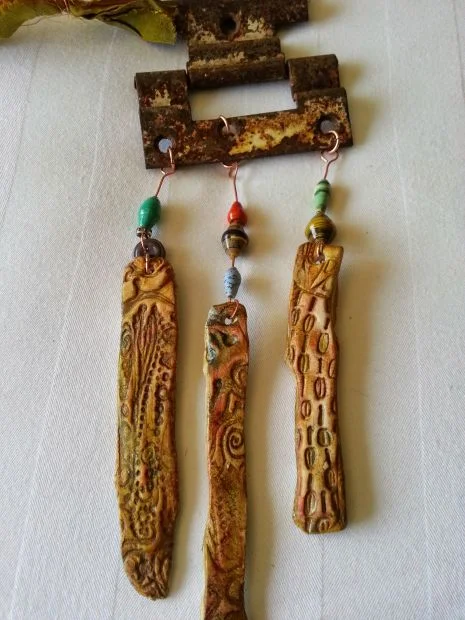
Right now ‘recycled art’ is a trend that can’t be denied. There are many artists making the move toward incorporating recycled components into their artwork…for now anyway. More than likely a large number of them do it because all of the other cool kids are doing it. But what separates those artists who say they recycle because it tugs at a potential customer’s heartstrings from those who recycle because they care? I talked a little to artist Jo DeSerio Jones about what separates her from the pack and how she's saving the planet one piece of art at a time.
Atelier: What type of work do you do? What's your favorite media?
JO: I'm a mixed media artist making mostly jewelry. I find inspiration in many forms. At this time I am particularly fond of metal, fossils, concrete and leather.
Atelier: How do you incorporate fossils? Do you use a special process to prep them?
JO: I'm currently making molds from fossils, then casting in concrete or resin and adding many patinas until I get the look I love. So I'm creating new fossils that look old! I later incorporate them into my jewelry as layered components.
Atelier: What inspires your work for Jomama? I've noticed a number of influences; steampunk, nature... What influences you the most?
JO: My biggest inspiration is from nature in the form of materials such as wood, pods, shell, and fossils, [also] patina from weathering and rust; as well as shapes that only nature could create.
Atelier: I love that you incorporate nature into your work. Is there a deeper meaning when adding it into your pieces? Spiritual or otherwise?
JO: I've always said I feel a connection with the earth. It may come from childhood where I spent a lot of time outdoors where I lived in Northern New Jersey. I look at items that nature offers as a gift, not a byproduct.
Atelier: Right now there seem to be lots of artists incorporating eco-friendly components into their work, what separates you from the crowd and makes your work different?
JO: Being an environmentalist is a way of life for me first. I'd have to say that my work is a byproduct of my lifestyle. I'm not just creating eco products, I'm living it. Not only do I recycle items and work with found objects, but I also search for products that have the least environmental impact as well as buying things that are local or made in the USA. All being important aspects of sustainability.
Atelier: That's awesome that you take all of those things into consideration when creating your work. Do you feel like it might be only the job of a few of us (artists) to incorporate eco-sensitivity into our work while others focus on other things? Or can we all do our part?
I think we can all incorporate eco-consciousness into our work, but your eyes have to be open to the opportunities around you, no matter what form they come in.
Atelier: So you do commissioned pieces as well. Talk a little about what goes into completing pieces for clients.
JO: Typically when someone commissions me it's because they like the uniqueness of my style. So going into a project I know that I can be me. However, I ask questions pertaining to their likes and style, such as colors, a feeling they want it to reflect, or incorporating personal items or family heirlooms into the piece so it is a part of them as well.
Atelier: Which do you prefer doing, work for others or your own personal projects and why?
I'm an artist, so I definitely prefer working on personal pieces that don't have limits. There's satisfaction in that freedom and it shows in your work, making it more desirable.
Atelier: What do you feel is our responsibility as artists in educating the public about recycling? Do we have a responsibility specifically as artists? I know this is kind of a repeat of my earlier question, but can you talk a little bit more about your perspective?
JO: I feel we have a responsibility as humans. I have come to realize through the years that there can be a lot of unnecessary waste in the art world that every artist should try to be aware of. I think if you are an environmental artist that you should most definitely educate people about the ways of your work and items used. That is how we educate, inspire and open people's eyes to new ways of thinking. People are amazed by some of the things I reuse. I see the intrigue in my work all the time when I do shows and it's very rewarding. I love when I inspire others and get them to think outside of the box!
Atelier: Any projects you working on at the moment?
JO: I am currently working on more steampunk ballerina sculptures for and art exhibit I will be participating in this fall called "The Lucky Ones".
Atelier: Tell me a smidgen more about the show. What's it about?
JO: The exhibit will be curated by an artist who is very involved in the community. Last year's event was covered by PBS and the local cultural division [where I live]. The common thread amongst selected artist seems to be color and texture, including photography and paintings.
If you want to find out more about Jo and her work check out her site www.shopjomama.com

What Are You Waiting For?
Do you really have to wait around for others to give you your opportunities or can you create your own?
As artists it seems like we are always waiting for something... for someone to buy our work, for someone to recognize our talent, for someone to give us the job we've always wanted. To be the independent thinkers that we are, it sure seems like we do a lot of waiting for others to give us what we believe we deserve. Furthermore, the people we are waiting on tend to be corporate entities and organizations (in general not purveyors of independent thinking and creativity) holding our futures in their hands...or do they?
For a long time after being out of school I looked and looked for a job in Graphic Design. I looked in Jacksonville. I looked in Philadelphia. I looked in San Francisco. I was looking for other jobs too and had worked other jobs, but what I wanted was a job doing what I loved: being an artist. I'm not sure why it took me three cities and several years to understand that when no one is offering what you want, even if you've really worked for it, maybe you have to create it for yourself.
How does one get something that only another person can give them if they don't want to give it to you? Good question. I'm not talking about them though, I'm talking about you. Create the opportunities you want for yourself.
How do you create opportunities for yourself? Here's a couple suggestions:
1. Waiting on a job? Create your own. If you didn't know, there are freelancing and contracting sites for artists as well. It's not all Monster and CareerBuilder out there. Carbonmade is one example but there are many portfolio hosting sites that also make your work accessible to those looking for artists for temporary or contract assignments.
2. Want to build your rep? Offer to work for free (for a trial period) or volunteer. I know it seems counterintuitive, but providing your services and to a non-profit or an organization that needs them might put you in the right place at the right time. If you are offering a trial period for your services make sure you are proactive and specify an end date. In both of these types of situations don't forget to protect your work and ask for testimonials and/or letters of recommendation in exchange for the work.
3. Want to participate in a show/exhibition? Organize your own. Sitting around waiting for the perfect time, opportunity, and people to align so that you can be in a show is sometimes like waiting for a unicorn to appear. I know I make it sound super easy... because actually it is. It is just a large amount of work and organization. I've done it. I looked for other artists to show my work with and they disappeared or just didn't follow through. I ended up doing the show alone. But it was great. Stressful and a whole lot of things went wrong, but it's one thing I've done where things weren't anywhere near perfect and I was still very proud of the experience I gained.
I've just given you three examples, But there are many situations in which you can create your own opportunities. You just have to look for the way out of what you feel is a room in which you are trapped, there's usually a simple way to solve your problem--usually it just involves making your own exit.
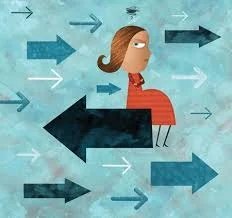
No one likes a pretentious traveler…or artist.
The two most obnoxious people on the planet? annoying travelers and pompous artists. Don't be either. Here's how.
We travel to understand
others and to understand ourselves better. I believe the same is true of art:
by pursuing, studying and producing art we develop the potential to understand
ourselves a little better, if we allow it to happen.
Recently, I was reading the founder’s monthly comment in a travel magazine. Absolutely love the magazine. It’s beautiful as well as informative, but the founder said something that irked me a bit. Here’s the excerpt:
“This summer, I was sitting at a café on the Amalfi Coast, talking with a waiter about what I do for a living. “Did you start a travel magazine just so you could travel the world for business?” he asked. I laughed. That would hardly be a reason to start a travel company. Besides, I traveled for business long before [my magazine] began.”
I know to lots of people this would hardly be offensive. But honestly, why couldn’t ANY reason be a reason to start a company? A smidge condescending. I really had a vision of him patting the waiter on the top of his head. Why not learn something from the question? Love or passion, not money, as a reason to start a business? Hmmm… A novel idea. We should do an article on that. (This is me having the one-sided conversation in the founder’s head by the way). Maybe if he’d seen the waiter in a different light instead of focusing on his ‘more sensible’ reasons to start a business, maybe they would’ve had a different kind of conversation.
Art ≠ Superiority Complex.
This is also the problem with some of us art types: we sometimes see ourselves in a superior position to those who aren’t ‘us’. Our condescending and dismissive attitudes towards those who aren’t artists or even towards other artists can work to alienate us from our potential audience, fans, buyers, and even others within the artist community. It really doesn’t make you look mysterious or interesting when you act like a jerk.
If someone doesn’t understand your concepts, ideas or techniques use it as a teaching opportunity, not as a chance to be snarky. If another artist doesn’t do things the way you do things it doesn’t mean your way is the right way. Talk to people human to human. I don’t mean preach or talk at people either; I mean really have a conversation. Use art as a vehicle to connect to other people. Remove your ego from the equation.
When you are at a show, yours or anyone else’s, to avoid the dangerous pitfall of being a jackass (even an artistic jackass is a bad thing) you should ask questions of those you are speaking to before giving your personal opinions. Here are a couple of examples to get the conversation going:
- What type of art do you find yourself drawn to? Literal images or things more abstract.
- So what do you think about the work? (Simple I know. But it works.)
- Do you know anything about _________ (fill in your media, process or artist name here)? I can share a little bit if you are interested.
- What other interesting shows have you been to recently? This could also be a great opportunity to plug your work or the work of another great artist you know.
Keep your ego in check. Ask a question. Listen to what someone else has to say. You might learn something…or just have a great conversation.
I'm interested in your feedback. Do you enjoy speaking with others about your art or simply art in general?
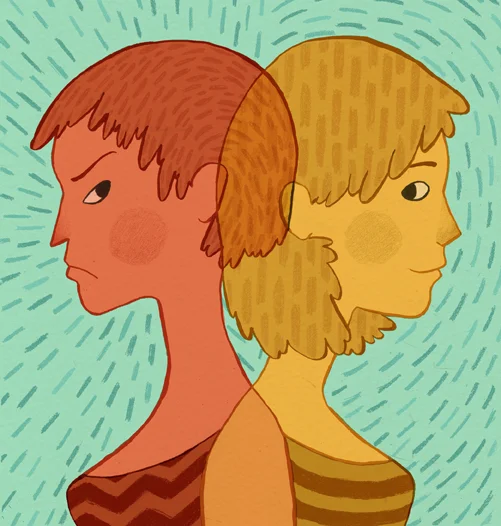
Haters Gonna Hate...
What do you do when those you spend the most time with might be affecting your work negatively?
Have you ever had a friend in your life that you loved spending time with and loved talking to, but alternately did not feel that you could truly trust? A ‘friend’ that you spend time with that, instead of making you feel great, your self-esteem takes a hit each minute you are in their presence? A special artist colleague you share ideas with, who says they’ll never work and turns around and uses the same ideas they criticized? Sounds like you might have a frenemy.
How do you know when someone is a frenemy?
Frenemy, (spelled alternately frienemy) is defined as enemy pretending to be a friend or someone who really is a friend but is also a rival. The term is used to describe personal, geopolitical, and commercial relationships both among individuals and groups or institutions.
Personally, I don’t believe in the idea of frenemies. I believe that people are primarily encouraging or discouraging forces in one’s life; friend or enemy. It has become quite the trend to think of a friend or two in one’s entourage as a frenemy (just watch reruns of Gossip Girl or Work of Art: The Next Great Artist). Eventhough the phrase has been around for a while, it seems as if the idea of having a friend that doubles as an enemy really has taken off in the past few years and is even seen as acceptable. But truly it is difficult for a friend and enemy to exist in the same space. There are a few who do believe it is possible though.
Some might argue that having a friend who isn’t afraid to critique and criticize might make you a stronger person able to defend your ideas, but when that’s all your ‘friend’ does it knocks any relationship off balance and tips the scales more toward the negative.
Friendships already require lots of work. Why have friends that make you feel bad too?
It is true. To be a good friend is a job; usually one worth having. But when the negative and positive aspects to a friendship aren’t balanced you might feel that having certain folks as friends is more work than it is worth.
As an artist, surrounding yourself with those who will encourage and positively influence you is a must. It is even more important because the positive or negative feelings influence you and how you work. It is great to have someone in your life who challenges you to try new media, take an idea to another level, or open your own studio, but when the ‘challenges’ tip the scales more toward the negative then maybe a reassessment is in order:
Maybe you have to choose. I am not saying that you have to, but an article about the cause of frenemy type relationships I read recently points the finger at a lack of space between professional and personal lives. Maybe you have a friend that you share a studio with, live with, and hang out with. Maybe a little space and separation is in order. If you are living and working with someone, hang out with another group of friends when you leave the studio. Hanging out and working together? Perhaps change your living situation. The fact remains; changes might need to be made to salvage the work relationship or the friendship. Sometimes spending 30 hours a day together just doesn’t work.
Know the difference. Know the difference between someone that is purposely hurting you and someone who is simply a clueless bumbling idiot when it comes to their interactions with others. If your friend is of the bumbling idiot persuasion tell them how you feel. Hopefully that will nip things in the bud.
Understand what and who affects you and how. Went to dinner and a movie with Chip and now you feel like crap. Either you have food poisoning or Chip might be a little toxic. If conversation usually hovers around the energy vampire level (that is sucking all of the good energy and light out of a room) every time you are together then don’t ignore the obvious: Chip makes you feel a little queasy. Pay close attention to how you feel when in the company of others. Why spend time with people who make you feel not so great? Life is too short.
Accept challenges, not disrespect. If someone is challenging you do become a better artist and or person don’t confuse the fear of change with actual straight up ugly toxicity. When a person you hang out with is not respectful of you, and your ideas and feelings it is obvious, you will feel it.
Know when it is time to kick someone to the curb. I know it sounds harsh, but the simplified version of the story is: This person is negative. They make you feel bad. You need to leave them in the dust. The end. If you’ve already made attempts to express your feelings and work on a friendship and they’ve been ignored, you might have to move on. The end (again). Your call.
I'm Just the Messenger...
Listen, I am not telling you to dump all of your friends. With every friendship there are ups and downs; nobody is perfect.
I am just saying be observant of how those you spend the most time with affect your being and your spirit. Keep those who encourage you, love you, help you to grow, support you, and help you to expand your horizons close by. You might notice a difference in the way you feel and the artwork you produce.